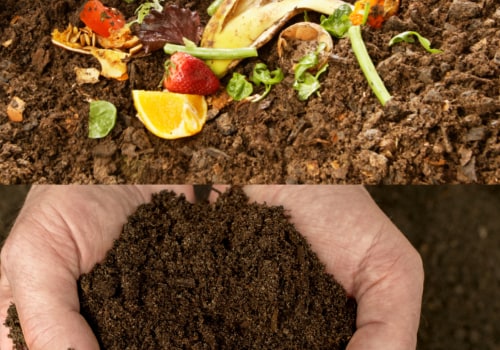
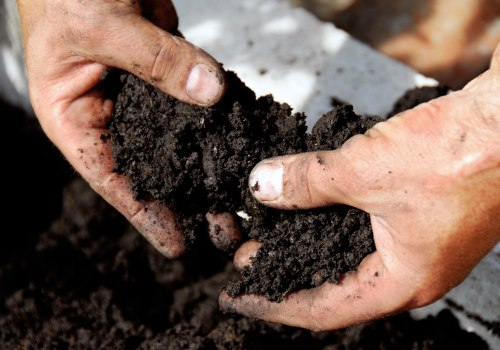
Soil fertility is a critical aspect of agricultural success and environmental sustainability. It refers to the ability of soil to provide essential nutrients to plants, which is vital for their growth and productivity. Healthy soil is not just a medium for plant roots; it is a dynamic ecosystem teeming with microorganisms that contribute to nutrient cycling and overall soil health. Understanding soil fertility is essential for farmers and gardeners alike, as it directly impacts crop yields and the quality of produce. The importance of soil fertility improvement cannot be overstated.
Fertile soil supports robust plant growth, enhances resistance to pests and diseases, and promotes biodiversity in the ecosystem. When soil is rich in organic matter and nutrients, it can retain moisture more effectively, reducing the need for irrigation. This not only conserves water but also minimizes the risk of erosion and nutrient runoff, which can lead to environmental degradation. Moreover, maintaining high levels of soil fertility contributes to sustainable agricultural practices. As we face challenges such as climate change and population growth, improving soil health becomes increasingly crucial.
By adopting practices that enhance soil fertility, such as using cover crops, farmers can ensure long-term productivity while protecting the environment. In the following sections, we will explore various cover crops that serve as effective tools for enhancing soil fertility and promoting a healthier agricultural landscape.
What Are Cover Crops?
Cover crops are plants grown primarily to enhance the health and fertility of the soil rather than for harvest. These crops play a crucial role in sustainable agriculture by providing numerous benefits that contribute to soil fertility improvement.Types of Cover Crops
- Legumes: These include clover, vetch, and peas. Legumes are known for their ability to fix nitrogen in the soil, which is essential for plant growth.
- Grasses: Rye, oats, and barley fall into this category.
Grasses help prevent soil erosion and improve soil structure.
- Brassicas: Plants like radishes and mustards are included here. They can break compacted soil layers and enhance nutrient cycling.
Benefits of Cover Crops
- Soil Erosion Control: Cover crops protect the soil from wind and water erosion, maintaining its integrity.
- Nutrient Management: By fixing nitrogen and enhancing organic matter, cover crops contribute to better nutrient availability for subsequent crops.
- Pest and Disease Suppression: Certain cover crops can deter pests and diseases, reducing the need for chemical interventions.
- Moisture Retention: The root systems of cover crops help retain moisture in the soil, which is vital during dry periods.
Common Cover Crops for Soil Fertility Improvement
Cover crops play a vital role in soil fertility improvement by enhancing nutrient availability, preventing erosion, and promoting beneficial microbial activity. Here are some common cover crops that are particularly effective:- Legumes: Leguminous cover crops, such as clover, vetch, and peas, are renowned for their ability to fix atmospheric nitrogen into the soil.
This process enriches the soil with nitrogen, making it more fertile for subsequent crops. Additionally, legumes improve soil structure and enhance microbial diversity.
- Grasses: Grasses like rye, oats, and barley are excellent for preventing soil erosion and improving soil structure. They have deep root systems that help break up compacted soil layers and increase water infiltration. Rye, in particular, is known for its allelopathic properties, which can suppress weeds while adding organic matter to the soil.
- Brassicas: Brassica species such as radishes and mustards are effective in breaking up hardpan soils due to their deep taproots.
They also contribute to soil fertility improvement by adding organic matter and enhancing nutrient cycling. Mustard cover crops can also help in pest management by acting as a biofumigant.
Leguminous Cover Crops: Nitrogen Fixers
Leguminous cover crops, such as clover, vetch, and peas, play a crucial role in soil fertility improvement through their unique ability to fix nitrogen in the soil. This process not only enhances the nutrient content of the soil but also contributes to overall soil health.Nitrogen Fixation Process
- Legumes have a symbiotic relationship with specific bacteria known as rhizobia.
These bacteria reside in nodules on the roots of leguminous plants.
- Through this partnership, legumes convert atmospheric nitrogen into a form that is accessible to plants, enriching the soil with this essential nutrient.
- This natural process reduces the need for synthetic fertilizers, promoting sustainable agricultural practices.
- Improved Soil Structure: The root systems of legumes help to aerate the soil and improve its structure, enhancing water infiltration and reducing erosion.
- Pest and Disease Suppression: Some legumes can deter pests and diseases, contributing to healthier crops.
- Increased Organic Matter: When leguminous cover crops are terminated and incorporated into the soil, they add organic matter, which improves soil fertility and microbial activity.
Grassy Cover Crops: Enhancing Soil Structure
Grassy cover crops, such as rye and oats, play a crucial role in enhancing soil structure and improving overall soil fertility. These crops are not only effective in preventing erosion but also contribute significantly to the health of the soil ecosystem.Benefits of Grassy Cover Crops:
- Soil Structure Improvement: The root systems of grassy cover crops penetrate deep into the soil, creating channels that enhance aeration and water infiltration. This process helps to break up compacted layers, allowing for better root growth in subsequent crops.
- Erosion Control: The dense foliage of grasses protects the soil surface from wind and water erosion.
By covering the ground, these crops reduce the impact of raindrops on the soil, which can lead to soil displacement.
- Nutrient Cycling: Grassy cover crops can capture and store nutrients, particularly nitrogen, which can be released back into the soil when they decompose. This natural process enriches the soil and supports the growth of future crops.
- Pest Management: Some grassy cover crops can deter pests and diseases by disrupting their life cycles. This natural pest control reduces the need for chemical interventions, promoting a healthier farming environment.
Brassica Cover Crops: Biofumigation Benefits
Brassica cover crops, such as mustard and radish, are increasingly recognized for their role in soil fertility improvement through a process known as biofumigation.These crops are not only effective at enhancing soil health but also play a crucial role in pest management.
What is Biofumigation?
Biofumigation involves the release of natural compounds from certain plants that can suppress soil-borne pests and diseases. When brassicas decompose, they release glucosinolates, which are sulfur-containing compounds that can deter nematodes and other harmful organisms. This natural defense mechanism makes brassicas an excellent choice for organic farming practices.
Benefits of Brassica Cover Crops
- Pest Suppression: The glucosinolates released during decomposition can significantly reduce populations of pests such as root-knot nematodes and certain fungal pathogens.
- Nutrient Cycling: Brassicas have deep taproots that help to break up compacted soil layers, allowing for better nutrient uptake and improving overall soil structure.
- Soil Organic Matter: As brassica cover crops decompose, they contribute organic matter to the soil, enhancing its fertility and water retention capabilities.
- Disease Management: By disrupting the life cycles of pests and pathogens, brassicas can help reduce the incidence of diseases in subsequent crops.
How to Choose the Right Cover Crop for Your Needs
Choosing the right cover crop for soil fertility improvement involves several key considerations that align with your specific agricultural goals, local climate conditions, and soil types.Here are some essential factors to keep in mind:
- Purpose: Determine the primary reason for planting a cover crop. Are you looking to enhance nitrogen levels, suppress weeds, or improve soil structure? Different cover crops serve different purposes.
- Climate: Assess your local climate. Some cover crops thrive in cooler temperatures, while others prefer warmer conditions. For instance, rye is excellent for colder climates, whereas buckwheat performs well in warmer areas.
- Soil Type: Understand your soil's characteristics.
Sandy soils may benefit from deep-rooted cover crops like daikon radish, which can help improve soil structure and drainage.
- Growth Duration: Consider the growing season available for your cover crop. Some crops can be planted in the fall and terminated in spring, while others may be suitable for summer planting.
- Compatibility: If you plan to rotate cash crops, ensure that the cover crop you choose is compatible with your main crops to avoid issues such as allelopathy.
- Research Local Varieties: Consult local agricultural extension services or resources to find recommended cover crop varieties that perform well in your area.
- Diversity: Incorporate a mix of cover crops to maximize benefits. A diverse planting can improve soil health by enhancing microbial activity and nutrient cycling.
- Timing: Pay attention to planting and termination timing. Proper timing ensures that the cover crop provides maximum benefits without interfering with cash crop planting.
Best Practices for Planting and Managing Cover Crops
To effectively utilize cover crops for soil fertility improvement, it is essential to follow best practices for both planting and managing these crops.Proper implementation can significantly enhance soil health, structure, and nutrient availability.
Choosing the Right Cover Crop
Selecting the appropriate cover crop is crucial. Consider factors such as your climate, soil type, and the specific nutrients you wish to enhance. Common choices include:- Legumes (e.g., clover, vetch) that fix nitrogen in the soil.
- Cereal grains (e.g., rye, oats) that improve soil structure and prevent erosion.
- Brassicas (e.g., radishes) that can break up compacted soil layers.
Timing of Planting
The timing of planting cover crops is vital for maximizing their benefits. Ideally, cover crops should be sown:- After the main crop harvest to utilize the growing season effectively.
- Before winter to establish a root system that protects against erosion.
- In early spring to ensure they are ready to grow before the main crop is planted.
Management Practices
Once planted, managing cover crops properly will ensure they contribute effectively to soil fertility improvement.Here are some key management practices:
- Mowing: Regular mowing can prevent flowering and seed production, allowing for better biomass accumulation.
- Termination: Timing the termination of cover crops is critical; it should be done just before planting the main crop to maximize nutrient release.
- Incorporation: Incorporating cover crops into the soil can enhance nutrient cycling and improve organic matter content.
Frequently Asked Questions About Cover Crops and Soil Fertility
Cover crops play a vital role in soil fertility improvement, and many people have questions about their use and benefits. Here are some frequently asked questions:What are cover crops?
Cover crops are plants grown primarily to enhance soil health rather than for harvest. They are typically planted during the off-season when main crops are not being cultivated. By doing so, they help prevent soil erosion, suppress weeds, and improve nutrient cycling.How do cover crops improve soil fertility?
Cover crops contribute to soil fertility improvement in several ways:- Nitrogen Fixation: Leguminous cover crops, such as clover and vetch, can fix atmospheric nitrogen into the soil, enriching it for subsequent crops.
- Organic Matter Addition: When cover crops decompose, they add organic matter to the soil, enhancing its structure and nutrient content.
- Soil Structure Improvement: The root systems of cover crops help create channels in the soil, improving aeration and water infiltration.
What types of cover crops are best for soil fertility?
Some common cover crops known for their effectiveness in soil fertility improvement include:- Clover: Excellent for nitrogen fixation and improving soil structure.
- Rye: A great choice for preventing erosion and suppressing weeds.
- Radish: Known for its deep taproot that breaks up compacted soil layers.
Can cover crops be used in all climates?
While many cover crops can adapt to various climates, it's essential to choose species that thrive in your specific region.Local agricultural extensions or resources can provide guidance on the best options for your area.In summary, understanding the role of cover crops in soil fertility improvement can help farmers and gardeners make informed decisions that benefit their land and future crop yields.
Conclusion: The Role of Cover Crops in Sustainable Agriculture
In conclusion, the use of cover crops plays a pivotal role in soil fertility improvement and sustainable agricultural practices. By incorporating these crops into farming systems, farmers can enhance soil health, reduce erosion, and promote biodiversity.Cover crops such as clover, vetch, and rye not only prevent nutrient leaching but also contribute to the organic matter content of the soil. This organic matter is essential for maintaining soil structure and moisture retention, which are critical for crop growth.Moreover, cover crops can help suppress weeds and break pest cycles, reducing the need for chemical inputs. This aligns with sustainable farming principles that prioritize environmental health while ensuring economic viability for farmers.As we move towards more sustainable agricultural practices, the integration of cover crops should be a fundamental strategy.Here are some key benefits:
- Nitrogen Fixation: Leguminous cover crops like clover and peas can fix atmospheric nitrogen, enriching the soil for subsequent crops.
- Soil Structure Improvement: Deep-rooted cover crops help to break up compacted soil layers, enhancing aeration and water infiltration.
- Weed Suppression: A dense cover crop canopy can outcompete weeds for light and nutrients, reducing weed pressure.
- Pest Management: Certain cover crops can attract beneficial insects that prey on pests, contributing to natural pest control.