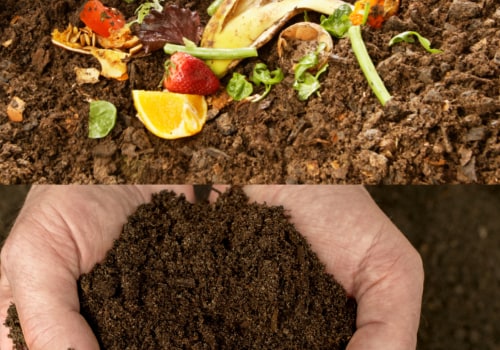
Soil fertility is a critical aspect of successful agriculture and gardening, serving as the foundation for healthy plant growth. At its core, soil fertility refers to the ability of soil to provide essential nutrients to plants, enabling them to thrive and produce abundant yields. Understanding this concept is vital for anyone looking to cultivate crops or maintain a vibrant garden, as it directly impacts plant health, productivity, and sustainability. The importance of soil fertility cannot be overstated. Fertile soil not only supports robust plant growth but also enhances the ecosystem's overall health.
It plays a crucial role in water retention, microbial activity, and the cycling of nutrients. When soil is rich in organic matter and essential minerals, it fosters a balanced environment where plants can flourish. Conversely, poor soil fertility can lead to stunted growth, increased susceptibility to pests and diseases, and ultimately lower crop yields. Several factors contribute to soil fertility, including soil texture, structure, pH levels, and the presence of organic matter. Soil texture refers to the proportion of sand, silt, and clay particles, which affects water retention and nutrient availability.
The structure of the soil influences aeration and root penetration. Additionally, pH levels can determine nutrient solubility; most plants prefer a slightly acidic to neutral pH for optimal nutrient uptake. Lastly, organic matter enriches the soil with nutrients while improving its physical properties. By grasping these fundamental aspects of soil fertility improvement, readers can better appreciate the natural methods that will be explored in subsequent sections.
The Role of Organic Matter in Soil Fertility
Organic matter plays a crucial role in soil fertility improvement by enhancing soil structure, increasing water retention, and boosting nutrient availability.When organic materials decompose, they transform into humus, which is vital for maintaining healthy soil ecosystems.Benefits of Organic Matter
- Improved Soil Structure: Organic matter helps bind soil particles together, creating aggregates that improve aeration and root penetration.
- Enhanced Water Retention: Soils rich in organic matter can hold more moisture, reducing the need for frequent irrigation and helping plants withstand drought conditions.
- Nutrient Availability: Organic matter serves as a reservoir for essential nutrients, releasing them slowly as it decomposes, which is beneficial for plant growth.
- Composting: This is one of the most effective ways to add organic matter. By composting kitchen scraps, yard waste, and other biodegradable materials, you create a nutrient-rich amendment that can be mixed into the soil.
- Mulching: Applying a layer of organic mulch, such as straw, wood chips, or grass clippings, on the soil surface not only conserves moisture but also adds organic matter as it breaks down over time.
- Green Manures: Planting cover crops like clover or vetch during the off-season can improve soil fertility. When these plants are tilled back into the soil, they contribute organic matter and nutrients.
Utilizing Cover Crops for Soil Health
Utilizing cover crops is a highly effective strategy for soil fertility improvement. These crops, grown during the off-season or between main crops, play a crucial role in enhancing soil health by preventing erosion, suppressing weeds, and enriching soil nutrients.Benefits of Cover Crops
- Preventing Erosion: Cover crops help to hold the soil in place with their root systems, reducing the risk of erosion caused by wind and water.
- Weed Suppression: By covering the ground, these crops outcompete weeds for sunlight and nutrients, minimizing the need for herbicides.
- Nutrient Enhancement: Certain cover crops, like legumes, can fix nitrogen in the soil, making it more fertile for subsequent crops.
- Clover: A legume that enriches the soil with nitrogen and improves soil structure.
- Rye: Excellent for preventing erosion and suppressing weeds; it also adds organic matter when tilled under.
- Vetch: Another nitrogen-fixing legume that enhances soil fertility and supports beneficial microorganisms.
- Select the right time: Plant cover crops after harvesting your main crop to maximize their growth period.
- Sow seeds: Use a seed drill or broadcast method to evenly distribute seeds across the field.
- Cultivation: Manage growth by mowing or tilling before they flower to ensure they decompose effectively and contribute to soil health.
Natural Fertilizers: Enhancing Nutrient Content
Improving soil fertility naturally can be achieved through the use of various types of natural fertilizers. These fertilizers not only enhance the nutrient content of the soil but also promote a healthier ecosystem.Here are some effective options:
- Manure: Animal manure, such as cow, horse, or chicken manure, is rich in essential nutrients like nitrogen, phosphorus, and potassium. It can be applied directly to the soil or composted to reduce pathogens and odors.
- Bone Meal: This slow-release fertilizer is made from crushed animal bones and is an excellent source of phosphorus and calcium. It encourages strong root development and flowering in plants.
- Fish Emulsion: A liquid fertilizer derived from fish waste, fish emulsion is high in nitrogen and trace minerals. It can be diluted with water and used as a foliar spray or soil drench to promote vigorous plant growth.
Here are a few simple recipes:
- Compost: Combine kitchen scraps (vegetable peels, coffee grounds) with yard waste (leaves, grass clippings) to create nutrient-rich compost. This process not only recycles waste but also improves soil structure.
- Banana Peel Fertilizer: Chop banana peels and bury them in the soil or soak them in water for a few days to create a potassium-rich liquid fertilizer.
- Epsom Salt Solution: Dissolve Epsom salt in water to provide magnesium and sulfur, which are vital for plant health. This solution can be used as a foliar spray or soil drench.
By opting for these organic methods, gardeners can cultivate thriving plants while maintaining environmental integrity.
Soil Amendments: Improving Soil Structure and pH
Improving soil fertility often begins with understanding the importance of soil amendments. These natural materials can significantly enhance soil structure and adjust pH levels, creating a more conducive environment for plant growth.Types of Soil Amendments
- Lime: This is a common amendment used to raise soil pH. Lime is rich in calcium and can help neutralize acidic soils, making nutrients more available to plants.
- Sulfur: Conversely, sulfur is used to lower soil pH. It is particularly beneficial in alkaline soils, helping to create a more balanced environment for crops that prefer slightly acidic conditions.
- Gypsum: This amendment improves soil structure by enhancing drainage and aeration.
Gypsum also adds calcium without affecting pH levels, making it ideal for clay soils that tend to compact easily.
How to Amend Soil Naturally
To amend soil naturally, consider the following steps:- Test Your Soil: Before adding any amendments, conduct a soil test to determine its current pH and nutrient levels.
- Select the Right Amendment: Based on your soil test results, choose an appropriate amendment like lime or sulfur to adjust pH as needed.
- Apply Amendments: Spread the chosen amendment evenly across the soil surface and incorporate it into the top few inches of soil using a rake or tiller.
- Monitor Changes: After amending, continue to monitor your soil's pH and fertility over time to ensure that it remains balanced and productive.
The Importance of Microorganisms in Soil Fertility
Microorganisms play a crucial role in enhancing soil fertility by facilitating nutrient cycling, improving soil structure, and promoting plant health. These tiny organisms, including bacteria, fungi, and protozoa, work synergistically to break down organic matter, releasing essential nutrients that plants need to thrive.Soil Microorganisms and Nutrient Cycling
- Bacteria: Beneficial bacteria such as Rhizobium and Azospirillum are vital for nitrogen fixation, converting atmospheric nitrogen into a form that plants can absorb.
- Fungi: Mycorrhizal fungi form symbiotic relationships with plant roots, enhancing nutrient uptake, particularly phosphorus, and improving water retention in the soil.
- Protozoa: These microorganisms help regulate bacterial populations and release nutrients through their feeding activities, further enriching the soil.
- No-till farming: This method minimizes soil disturbance, preserving the natural habitat of microorganisms and allowing them to thrive.
- Organic amendments: Adding compost, manure, or cover crops enriches the soil with organic matter, providing food for beneficial microbes and enhancing their activity.
- Diverse cropping systems: Rotating crops and planting cover crops can increase microbial diversity, which is essential for a resilient soil ecosystem.
Practices to Avoid: What Harms Soil Fertility?
Understanding the practices that harm soil fertility is crucial for anyone looking to maintain a healthy and productive garden or farm.Several common practices can significantly degrade soil quality, leading to long-term consequences.
Impact of Chemical Fertilizers
One of the most prevalent methods that negatively affect soil fertility is the overuse of chemical fertilizers. While these products can provide a quick nutrient boost, they often lead to:- Nutrient Imbalance: Chemical fertilizers typically contain a limited range of nutrients, which can disrupt the natural balance of soil.
- Soil Acidification: Many chemical fertilizers can lower soil pH, making it more acidic and less hospitable for beneficial microorganisms.
- Water Contamination: Excessive use can lead to runoff, contaminating local water sources and harming aquatic ecosystems.
Effects of Over-Tilling
Another harmful practice is over-tilling, which involves excessive mechanical disturbance of the soil. This can result in:- Soil Erosion: Frequent tilling can strip away the topsoil, which is rich in organic matter and nutrients.
- Compaction: Over-tilling can lead to soil compaction, reducing aeration and water infiltration, which are vital for root health.
- Loss of Soil Structure: The natural structure of the soil is disrupted, making it harder for plants to establish strong root systems.
Frequently Asked Questions about Soil Fertility Improvement
Improving soil fertility is a common concern for gardeners and farmers alike.Here are some frequently asked questions that can help clarify the best practices for enhancing soil health.
What are the signs of poor soil fertility?
Poor soil fertility can manifest in several ways, including:- Stunted plant growth: Plants may appear weak or fail to thrive.
- Poor crop yields: A noticeable decrease in the quantity and quality of produce.
- Yellowing leaves: This can indicate nutrient deficiencies, particularly nitrogen.
- Soil erosion: Loss of topsoil can lead to reduced fertility over time.
How can I naturally improve soil fertility?
There are several effective natural methods to enhance soil fertility, including:- Composting: Adding organic matter through compost enriches the soil with nutrients and improves its structure.
- Cover cropping: Planting cover crops like clover or rye during off-seasons helps prevent erosion and adds organic matter when tilled back into the soil.
- Crop rotation: Alternating different crops can prevent nutrient depletion and reduce pest buildup.
- Mulching: Applying organic mulch helps retain moisture, suppress weeds, and gradually adds nutrients as it decomposes.
What are some tips for maintaining healthy soil?
To maintain healthy soil, consider these tips:- Avoid over-tilling: Excessive tilling can disrupt soil structure and lead to erosion.
- Test your soil: Regular soil testing helps identify nutrient deficiencies and pH levels, allowing for targeted amendments.
- Add organic fertilizers: Use natural fertilizers like bone meal or fish emulsion to provide essential nutrients without harming beneficial microorganisms.
- Encourage biodiversity: Plant a variety of species to promote a balanced ecosystem that supports soil health.
Conclusion: Embracing Natural Methods for Sustainable Soil Fertility
In conclusion, enhancing soil fertility through natural methods is not only beneficial for the environment but also essential for sustainable agriculture. By adopting practices such as crop rotation, cover cropping, and the use of organic amendments, farmers and gardeners can significantly improve the health and productivity of their soil.Throughout this article, we explored various techniques that contribute to soil fertility improvement. These methods not only replenish essential nutrients but also promote biodiversity and enhance soil structure. For instance:- Composting: This process recycles organic waste into nutrient-rich compost, which can be added to the soil to boost its fertility.
- Green Manures: Planting specific crops that are later tilled back into the soil can increase organic matter and nutrient content.
- Natural Mulching: Using organic materials as mulch helps retain moisture, suppress weeds, and gradually enrich the soil as they decompose.
The emphasis on sustainable practices not only leads to healthier crops but also fosters a resilient ecosystem.Ultimately, embracing these natural methods for soil fertility improvement is a step towards a more sustainable future. By prioritizing the health of our soil, we ensure that it remains productive for generations to come, supporting both our agricultural needs and the planet's ecological balance.