Storm cleanup projects are often viewed as urgent efforts focused on removing fallen trees, clearing debris, restoring access roads, and repairing visible property damage after severe weather events. However, large-scale cleanup operations can also have a significant effect on soil fertility across residential, agricultural, and commercial properties. Heavy rain, flooding, high winds, and uprooted vegetation frequently disturb the natural balance of soil structure and nutrients, especially when cleanup work involves extensive equipment use and debris removal. While restoring safety and accessibility is usually the immediate priority, the long-term health of the soil is often affected in ways that property owners may not recognize right away. Soil fertility influences everything from lawn recovery and landscaping health to erosion resistance and future vegetation growth, making it an important factor to consider during and after storm recovery projects.
Soil Disturbance Can Reduce Nutrient Quality
One of the biggest hidden challenges associated with storm cleanup is soil disturbance caused by heavy machinery and debris removal operations. Cleanup equipment such as loaders, tractors, trailers, chainsaws, and hauling vehicles often moves repeatedly across saturated ground conditions following severe weather. This traffic can compact the soil, reducing airflow and limiting the ability of roots to absorb water and nutrients properly. At the same time, storms themselves may wash away nutrient-rich topsoil through erosion or flooding, especially on sloped or poorly drained properties. Fallen branches, leaves, and organic debris sometimes temporarily cover the soil surface, but once cleanup begins, large amounts of organic material are often removed entirely from the property. While necessary for safety and restoration, removing this debris may also reduce the natural decomposition process that helps replenish soil nutrients over time.
Heavy Equipment Use Can Affect Long-Term Soil Health
Cleanup projects on larger properties frequently require specialized outdoor equipment to manage fallen trees, damaged fencing, and storm debris efficiently. However, repeated use of heavy machinery can contribute to long-term soil stress if recovery planning is not handled carefully. Compacted soil becomes harder for grass, trees, and landscaping to recover after storms because roots struggle to penetrate the ground effectively. Drainage patterns may also change when soil structure becomes compressed or uneven following extensive cleanup operations. Property owners often rely on local suppliers and service providers for maintenance and support during these projects, especially when operating chainsaws, tractors, and land-clearing equipment over large areas. Businesses connected to outdoor property maintenance, such as Umatilla Saw & Mower equipment dealer, may support storm recovery efforts by helping property owners maintain the machinery needed for safe and efficient cleanup work. However, professionals also recognize the importance of balancing cleanup speed with long-term property restoration goals.
Erosion and Water Runoff Can Continue After Cleanup
Even after visible debris has been removed, storm cleanup projects may leave behind exposed soil that becomes more vulnerable to erosion and nutrient loss. Bare ground areas created by uprooted trees or heavy machinery traffic can struggle to recover naturally without reseeding, soil conditioning, or erosion control measures. Stormwater runoff may continue washing nutrients away from disturbed sections of the property long after cleanup has been completed, especially during future rainfall events. In some cases, drainage systems damaged during the storm may worsen the problem by directing water unevenly across the landscape. Property owners who overlook these post-cleanup soil conditions may experience patchy grass growth, weakened vegetation, or declining landscape health in the months following the storm.
Long-Term Recovery Requires Soil Restoration Planning
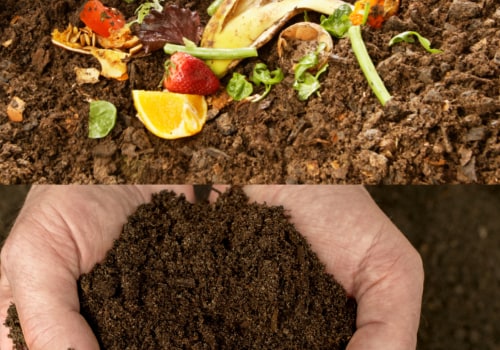
Successful storm recovery involves more than simply clearing debris and reopening access areas. Restoring soil health is often an essential part of helping large properties recover fully after severe weather events. Aeration, reseeding, erosion control, composting, and soil nutrient management can all help rebuild fertility and improve long-term landscape stability. By understanding how cleanup operations affect soil conditions, property owners can make better decisions that support healthier vegetation growth and stronger property recovery long after the storm has passed.