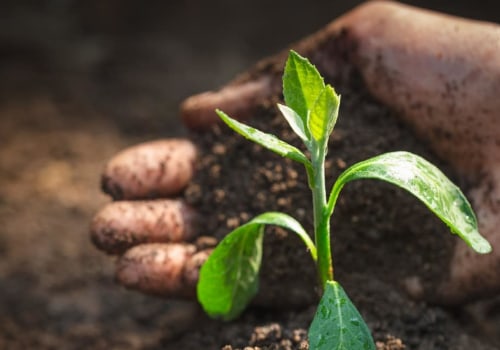
Soil fertility is a critical aspect of agricultural productivity, serving as the foundation for healthy crop growth and sustainable farming practices. It refers to the ability of soil to provide essential nutrients to plants, which is vital for their development and yield. Understanding soil fertility involves recognizing its multifaceted nature, encompassing not only the nutrient content but also the physical and biological properties of the soil that influence plant health. The importance of soil fertility cannot be overstated; it directly impacts food security, ecosystem balance, and economic viability for farmers. Fertile soil supports robust plant growth, enhances crop resilience against pests and diseases, and contributes to higher yields.
Conversely, poor soil fertility can lead to diminished crop performance, increased susceptibility to environmental stressors, and ultimately, reduced agricultural output. Several factors affect soil fertility, including organic matter content, soil texture, pH levels, and microbial activity. Organic matter plays a pivotal role in maintaining soil structure and nutrient availability, while soil texture influences water retention and aeration. Additionally, the pH level can affect nutrient solubility and availability to plants. Understanding these factors is essential for implementing effective strategies for soil fertility improvement, setting the stage for exploring how crop residues can significantly enhance soil health.
What Are Crop Residues?
Crop residues
refer to the organic materials left in the field after the harvest of crops.
These materials can include various parts of the plant, such as leaves, stems, and roots, which are crucial for maintaining soil fertility improvement. Understanding crop residues is essential for farmers and agricultural professionals aiming to enhance soil health and productivity.
Types of Crop Residues
- Straw: This is the dry stalks of cereal plants after the grain has been harvested. Common examples include wheat, barley, and rice straw.
- Stubble: The short stalks that remain in the field after crops like corn or soybeans have been harvested. Stubble can help protect the soil from erosion.
- Leaves: The foliage that falls off during or after harvest can decompose and contribute organic matter to the soil.
- Roots: The underground parts of plants that remain in the soil can improve its structure and nutrient content as they decompose.
Examples of Crop Residues
Different crops produce various types of residues that can be utilized for soil fertility improvement.For instance:
- Cereal crops: Wheat and barley produce significant amounts of straw that can be left on the field or used as mulch.
- Pulses: Leguminous crops like peas and beans leave behind nitrogen-rich residues that enhance soil nutrient levels.
- Root vegetables: Carrots and potatoes leave behind organic matter that can improve soil texture and moisture retention.
The Nutritional Value of Crop Residues
Crop residues, the leftover plant materials after harvest, play a crucial role in enhancing soil fertility improvement. These residues are rich in various nutrients that are essential for soil health and plant growth. Understanding the nutritional content of crop residues is vital for farmers and agronomists aiming to optimize soil conditions.Nutritional Components of Crop Residues
- Carbon: Crop residues are primarily composed of carbon, which is a key component of organic matter.
This carbon contributes to the formation of stable soil aggregates, improving soil structure.
- Nitrogen: Many crop residues contain significant amounts of nitrogen, which is essential for plant growth. As these residues decompose, they release nitrogen into the soil, making it available for subsequent crops.
- Phosphorus and Potassium: Residues from crops like legumes are particularly high in phosphorus and potassium, both of which are vital for root development and overall plant health.
- Micronutrients: Crop residues also provide essential micronutrients such as zinc, iron, and manganese, which are often deficient in agricultural soils.
Benefits of Crop Residues for Soil
- Organic Matter Contribution: The decomposition of crop residues adds organic matter to the soil, enhancing its fertility and water retention capacity.
- Soil Microbial Activity: The presence of crop residues stimulates microbial activity in the soil. Microorganisms break down these materials, releasing nutrients and improving soil health.
- Erosion Control: By covering the soil surface, crop residues help prevent erosion caused by wind and water, maintaining soil structure and fertility.
- Pest and Disease Suppression: Some crop residues can suppress pests and diseases by providing a habitat for beneficial organisms that combat harmful ones.
How Crop Residues Improve Soil Structure
The incorporation of crop residues into the soil plays a crucial role in enhancing soil structure, which is essential for soil fertility improvement.When crop residues, such as stalks, leaves, and roots, decompose, they contribute organic matter to the soil. This organic matter is vital for creating a well-structured soil environment.
Role of Organic Matter in Soil Structure
- Improved Aggregation: Organic matter helps bind soil particles together, forming aggregates. These aggregates create spaces within the soil that improve aeration and allow roots to penetrate more easily.
- Enhanced Water Retention: The presence of organic matter increases the soil's ability to retain moisture. This is particularly beneficial during dry periods, as it ensures that crops have access to the water they need for growth.
- Nutrient Availability: As organic matter decomposes, it releases essential nutrients into the soil, making them more available to plants.
This not only supports crop growth but also contributes to overall soil health.
Benefits of Improved Soil Structure
- Increased Root Development: A well-structured soil allows for deeper root systems, which can access more nutrients and water.
- Reduced Erosion: Improved soil structure helps prevent erosion by stabilizing the soil and reducing runoff during heavy rains.
- Enhanced Microbial Activity: Healthy soil structure promotes a thriving community of microorganisms that play a key role in nutrient cycling and disease suppression.
Crop Residues and Soil Microbial Activity
Crop residues, the leftover plant materials after harvest, play a pivotal role in enhancing soil fertility improvement through their influence on soil microbial activity. These residues serve as a vital source of organic matter, which is essential for sustaining a diverse and active microbial community in the soil.Microbial Activity in Soil
- Microbes, including bacteria and fungi, thrive on the organic compounds found in crop residues. As these microorganisms decompose the residues, they release nutrients back into the soil, making them available for plant uptake.
- This decomposition process not only enriches the soil with essential nutrients such as nitrogen, phosphorus, and potassium but also enhances soil structure and water retention capabilities.
The Role of Microbes in Soil Fertility
- Microbes are integral to nutrient cycling; they break down complex organic materials into simpler forms that plants can absorb.
This process is crucial for maintaining soil fertility.
- Additionally, certain soil microbes form symbiotic relationships with plant roots, aiding in nutrient absorption and improving overall plant health.
Impact of Crop Residues on Soil Microbes
- The presence of crop residues increases microbial biomass and diversity. A rich microbial community can enhance soil resilience against pests and diseases.
- Moreover, the continuous addition of crop residues can lead to a more stable soil ecosystem, promoting long-term soil fertility improvement.
The Role of Crop Residues in Nutrient Cycling
Crop residues play a crucial role in nutrient cycling, significantly contributing to the improvement of soil fertility. When crops are harvested, the remaining plant materials, such as stems, leaves, and roots, are left in the field.These residues decompose over time, returning essential nutrients back to the soil.
Nutrient Recycling in Soil
- As crop residues break down, they release vital nutrients like nitrogen, phosphorus, and potassium. These nutrients are essential for plant growth and development.
- The decomposition process is facilitated by soil microorganisms, which thrive on organic matter. This microbial activity not only aids in nutrient release but also enhances soil structure and aeration.
- Incorporating crop residues into the soil can improve its organic matter content, leading to better moisture retention and enhanced microbial activity.
Impact of Crop Residues on Nutrient Availability
- Crop residues can help mitigate nutrient leaching by acting as a barrier that slows down water movement through the soil profile. This ensures that nutrients remain available for longer periods.
- They also contribute to the formation of humus, a stable organic matter that improves nutrient holding capacity and provides a slow-release source of nutrients for plants.
- Furthermore, the presence of crop residues can enhance the soil's cation exchange capacity (CEC), allowing it to hold onto positively charged nutrients more effectively.
By facilitating nutrient cycling, they not only improve soil fertility but also promote sustainable agricultural practices that can lead to increased crop yields over time.
Best Practices for Managing Crop Residues
Effectively managing crop residues is essential for soil fertility improvement and can significantly enhance the sustainability of agricultural practices. Here are some best practices to consider:- Mulching: Applying a layer of crop residues on the soil surface helps retain moisture, suppress weeds, and gradually adds organic matter as it decomposes. This practice not only improves soil structure but also enhances microbial activity, which is vital for nutrient cycling.
- Composting: Transforming crop residues into compost is an excellent way to recycle nutrients back into the soil. By composting, farmers can create a nutrient-rich amendment that improves soil health and fertility.
This process also reduces waste and minimizes the need for chemical fertilizers.
- No-Till Farming: Implementing no-till or reduced-till practices allows crop residues to remain on the soil surface, protecting it from erosion and promoting biodiversity in the soil ecosystem. This method enhances moisture retention and encourages earthworm activity, both of which contribute to improved soil fertility.
Proper residue management leads to increased crop yields, reduced input costs, and a more resilient agricultural system.
Challenges and Considerations in Using Crop Residues
While the use of crop residues can significantly contribute to soil fertility improvement, there are several challenges and considerations that farmers must take into account. Understanding these potential downsides is crucial for making informed decisions about residue management.Pest Attraction
One of the primary concerns with leaving crop residues on the field is the potential for attracting pests. Residues can provide a habitat for various insects and rodents, which may lead to increased pest populations. This can result in:- Crop damage: Pests may feed on subsequent crops, leading to reduced yields.
- Disease spread: Some pests can carry diseases that affect plant health.
Nutrient Depletion
Another challenge associated with crop residues is the potential for nutrient depletion in the soil.As residues decompose, they can temporarily tie up nutrients, particularly nitrogen, which may lead to:
- Nitrogen immobilization: Microorganisms that break down organic matter require nitrogen, which can reduce its availability for plants.
- Imbalance in nutrient cycling: If not managed properly, this can disrupt the natural nutrient cycle and affect overall soil health.
Considerations for Farmers
Farmers should consider several factors when deciding how to manage crop residues:- Crop rotation: Implementing diverse crop rotations can help mitigate pest issues and improve nutrient cycling.
- Residue management techniques: Techniques such as tillage or cover cropping can help manage pest populations and enhance nutrient availability.
- Soil testing: Regular soil tests can help monitor nutrient levels and inform residue management practices.
Case Studies: Successful Use of Crop Residues in Agriculture
Crop residue management has proven to be a vital practice in enhancing soil fertility improvement. Several case studies highlight the successful integration of crop residues into agricultural systems, showcasing their benefits in real-world scenarios.Case Study 1: No-Till Farming in Iowa
In Iowa, a group of farmers adopted no-till farming practices, incorporating corn and soybean residues back into the soil. This method not only reduced soil erosion but also improved organic matter content. Over five years, soil tests indicated a significant increase in nitrogen levels, demonstrating that the decomposition of crop residues contributed to enhanced soil fertility.Case Study 2: Rice Straw Management in India
In Punjab, India, farmers faced challenges with rice straw burning, which led to air pollution and nutrient loss.A local initiative encouraged farmers to incorporate rice straw into the soil instead. By doing so, they observed a remarkable increase in soil moisture retention and microbial activity. The result was a 20% increase in wheat yields during the following season, underscoring the role of crop residues in soil fertility improvement.
Case Study 3: Cover Crops and Residue Integration in Brazil
Brazilian farmers have successfully integrated cover crops with existing crop residues. By planting legumes after the main harvest and allowing them to decompose alongside remaining residues, they enhanced nutrient cycling.Soil assessments revealed improved phosphorus availability and reduced fertilizer dependency, showcasing an effective strategy for sustainable agriculture.These case studies illustrate that effective crop residue management not only contributes to soil fertility improvement but also promotes sustainable agricultural practices. By learning from these examples, farmers can adopt similar strategies tailored to their specific conditions, ultimately leading to healthier soils and more productive farms.
Conclusion: The Future of Soil Fertility Through Crop Residues
In conclusion, the integration of crop residues into agricultural practices is pivotal for the improvement of soil fertility. Throughout this article, we have explored how these residues serve not only as a source of organic matter but also as a means to enhance soil structure, moisture retention, and nutrient availability. By returning crop residues to the soil, farmers can create a sustainable cycle that benefits both the land and their agricultural productivity.One of the most significant advantages of utilizing crop residues is their role in promoting microbial activity.The decomposition of these materials fosters a thriving ecosystem of microorganisms that are essential for nutrient cycling. This process not only enriches the soil but also helps in suppressing soil-borne diseases, thereby reducing the need for chemical fertilizers and pesticides.Moreover, incorporating crop residues can lead to improved soil structure, which enhances aeration and water infiltration. This is particularly important in regions prone to erosion or compaction. By maintaining a healthy soil structure, farmers can ensure that their crops have access to the necessary resources for optimal growth.As we look towards the future, it is clear that sustainable agricultural practices must prioritize the use of crop residues.
This approach not only aligns with environmental stewardship but also supports long-term agricultural viability. By embracing these practices, farmers can contribute to a more resilient food system that prioritizes soil health and fertility improvement.In summary, the role of crop residues in maintaining and enhancing soil fertility cannot be overstated. As we continue to face challenges such as climate change and soil degradation, integrating crop residues into farming systems will be essential for ensuring sustainable agricultural productivity and environmental health.