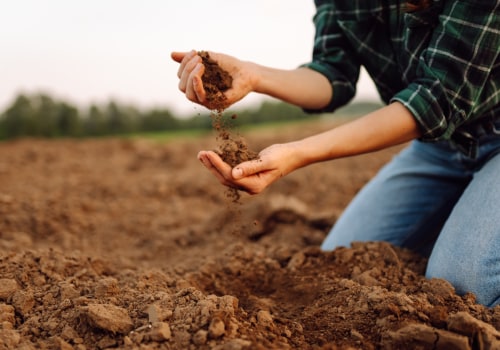
Soil fertility is a critical component of agricultural productivity and ecosystem health, serving as the foundation for plant growth and food security. It encompasses the ability of soil to provide essential nutrients, maintain moisture, and support microbial life, all of which are vital for sustaining crops. However, the increasing effects of climate change pose significant challenges to soil health and fertility. As global temperatures rise and weather patterns become more erratic, understanding the intricate relationship between climate change and soil fertility improvement is more important than ever. The impact of climate change on soil fertility is multifaceted.
Changes in temperature and precipitation can alter soil composition, nutrient availability, and microbial activity. For instance, prolonged droughts can lead to soil degradation, reducing its capacity to retain moisture and nutrients. Conversely, excessive rainfall can cause erosion and nutrient leaching, further diminishing soil quality. These shifts not only threaten agricultural yields but also disrupt the delicate balance of ecosystems that rely on healthy soils. As we delve deeper into this topic, it becomes clear that addressing the challenges posed by climate change requires innovative approaches to soil fertility improvement.
Strategies such as sustainable farming practices, organic amendments, and conservation tillage can help mitigate some of the adverse effects while enhancing soil resilience. By exploring these solutions, we can better understand how to protect our soils in an era of climate uncertainty.
The Basics of Soil Fertility
Soil fertility refers to the ability of soil to provide essential nutrients to plants, enabling them to grow and thrive. It is a critical component of agricultural productivity and ecosystem health. Understanding soil fertility involves recognizing its key components, which include organic matter, soil structure, pH levels, and the presence of essential nutrients.Several factors influence soil fertility, including:- Soil Composition: The mineral content and organic matter in the soil play a significant role in its fertility.
Soils rich in organic matter tend to retain moisture and nutrients better than sandy soils.
- Soil pH: The acidity or alkalinity of the soil affects nutrient availability. Most crops prefer a pH range of 6.0 to 7.5, where essential nutrients are readily accessible.
- Microbial Activity: Soil microorganisms contribute to nutrient cycling and organic matter decomposition, enhancing soil fertility.
- Climate Conditions: Temperature and moisture levels can affect soil processes, influencing how nutrients are released and absorbed by plants.
- Nitrogen: Essential for leaf growth and overall plant vigor.
- Phosphorus: Crucial for root development and flowering.
- Potassium: Important for water regulation and disease resistance.
How Climate Change Affects Soil Properties
Climate change is reshaping the landscape of agriculture, particularly through its impact on soil fertility.As global temperatures rise, the properties of soil are undergoing significant changes that can affect its ability to support plant life.
Soil Temperature Changes
- Increased temperatures can lead to higher rates of organic matter decomposition. While this may initially seem beneficial, it can result in a rapid loss of essential nutrients that are vital for soil fertility improvement.
- Warmer soils can also alter microbial activity. Some beneficial microorganisms thrive in higher temperatures, while others may decline, disrupting the balance necessary for nutrient cycling.
Moisture Levels
- Climate change is causing shifts in precipitation patterns, leading to both droughts and flooding. These extremes can severely impact soil moisture levels, which are crucial for maintaining soil fertility.
- Drought conditions can lead to soil compaction and reduced aeration, making it difficult for roots to access water and nutrients.
- Conversely, excessive rainfall can cause erosion and leaching of nutrients, further diminishing soil quality.
For instance, warmer temperatures can increase evaporation rates, exacerbating drought conditions and stressing crops. This cycle not only threatens immediate agricultural output but also poses long-term risks to soil fertility improvement.Moreover, the loss of organic matter due to climate change can lead to a decline in soil structure and health. Healthy soils are rich in organic content, which enhances water retention and nutrient availability. As climate change continues to evolve, understanding these impacts on soil properties becomes essential for developing effective strategies for soil fertility improvement.
Impact of Extreme Weather Events on Soil Fertility
Extreme weather events, such as droughts and floods, have profound effects on soil fertility, significantly altering soil structure and nutrient availability.Understanding these impacts is crucial for effective soil management and improving soil fertility.
Drought and Its Impact on Soil Fertility
Drought conditions lead to reduced moisture levels in the soil, which can severely affect plant growth and nutrient uptake. When soil moisture is insufficient, the biological activity within the soil diminishes, leading to:- Decreased microbial activity: Beneficial microorganisms that contribute to nutrient cycling become less active, resulting in lower nutrient availability for plants.
- Soil compaction: Dry soils can become compacted, reducing porosity and making it difficult for roots to penetrate and access nutrients.
- Nutrient leaching: In some cases, drought can lead to the accumulation of salts in the soil, which can further inhibit plant growth and reduce overall soil health.
Flooding and Soil Health
Conversely, flooding presents its own set of challenges for soil fertility. Excess water can lead to:- Soil erosion: Heavy rainfall and flooding can wash away topsoil, which is rich in organic matter and nutrients essential for plant growth.
- Anoxic conditions: Prolonged saturation can create low-oxygen environments that harm beneficial soil organisms while promoting harmful pathogens.
- Nutrient runoff: Flooding can cause significant nutrient runoff into nearby water bodies, leading to nutrient depletion in the soil.
By understanding these dynamics, farmers and land managers can better prepare for the challenges posed by climate change.
Soil Microbial Communities and Climate Change
Soil microbial communities play a crucial role in maintaining soil fertility by facilitating nutrient cycling, organic matter decomposition, and the formation of soil structure. These microorganisms, which include bacteria, fungi, and protozoa, interact in complex ways that enhance the availability of essential nutrients to plants. However, climate change poses significant threats to these vital communities.Impact of Climate Change on Microbial Diversity
- Rising temperatures can alter microbial community composition, favoring certain species over others. This shift can lead to a decrease in microbial diversity, which is essential for resilient soil ecosystems.
- Changes in precipitation patterns can lead to either waterlogging or drought conditions, both of which can stress microbial populations and disrupt their functions.
- Increased carbon dioxide levels may enhance the growth of some microbes while inhibiting others, further complicating the balance necessary for optimal soil health.
The Role of Microbes in Soil Fertility
The role of microbes in enhancing soil fertility improvement cannot be overstated.
They:
- Decompose organic matter: Microbes break down dead plant and animal material, releasing nutrients back into the soil.
- Fix nitrogen: Certain bacteria convert atmospheric nitrogen into forms that plants can use, significantly contributing to soil nutrient levels.
- Enhance soil structure: Fungal networks help bind soil particles together, improving aeration and water retention.
Strategies for Soil Fertility Improvement in a Changing Climate
As climate change continues to alter weather patterns and increase the frequency of extreme events, soil fertility improvement becomes crucial for sustainable agriculture. Farmers and agricultural practitioners must adopt innovative strategies to enhance soil health and resilience. One effective approach is the implementation of sustainable agriculture practices.These practices focus on maintaining soil structure and nutrient levels while minimizing environmental impact. Techniques such as crop rotation, cover cropping, and reduced tillage can significantly improve soil fertility by enhancing organic matter content and promoting beneficial microbial activity.
- Crop Rotation: Alternating different crops in a specific sequence can help break pest cycles, reduce disease incidence, and improve nutrient availability. Leguminous crops, for instance, can fix nitrogen in the soil, enriching it for subsequent crops.
- Cover Cropping: Planting cover crops during off-seasons protects the soil from erosion, suppresses weeds, and adds organic matter when tilled back into the soil. This practice not only improves soil structure but also enhances moisture retention.
- Reduced Tillage: Minimizing tillage helps preserve soil structure and prevents the loss of organic matter.
This method also reduces carbon emissions and promotes a healthier ecosystem within the soil.
Case Studies: Successful Soil Fertility Improvement Initiatives
As the effects of climate change become increasingly evident, various initiatives around the globe have emerged to tackle the challenge of soil fertility improvement.These case studies highlight successful strategies that not only enhance soil health but also promote sustainable agricultural practices.
1.The Regenerative Agriculture Movement in Australia
In Australia, farmers have adopted regenerative agriculture techniques to combat soil degradation exacerbated by climate change. By implementing practices such as cover cropping, reduced tillage, and rotational grazing, these farmers have seen significant improvements in soil organic matter and nutrient availability. A notable example is the Carbon Farming Initiative, which incentivizes farmers to adopt practices that enhance soil carbon storage, leading to improved fertility and resilience against drought.2.Agroforestry in Brazil
Brazil's agroforestry systems serve as another compelling case study. By integrating trees with crops and livestock, farmers have successfully restored degraded lands while enhancing soil fertility.This approach not only improves biodiversity but also increases water retention and reduces erosion. The Green Belt Movement, initiated by Wangari Maathai, has inspired similar projects in Brazil, demonstrating how tree planting can lead to healthier soils and more productive farms.
3.Community-Led Initiatives in Sub-Saharan Africa
In Sub-Saharan Africa, community-led initiatives focusing on sustainable practices have shown remarkable results. For instance, the Farmer Managed Natural Regeneration (FMNR) technique encourages local farmers to protect and manage existing trees on their land. This practice has led to increased soil fertility and crop yields while also providing shade and habitat for wildlife.Lessons learned from these initiatives emphasize the importance of local knowledge and community involvement in achieving long-term sustainability.These case studies illustrate that through innovative practices and community engagement, it is possible to improve soil fertility even in the face of climate challenges. They serve as a source of inspiration for other regions facing similar issues, highlighting that sustainable solutions are not only necessary but achievable.
Future Outlook: Research and Innovations in Soil Fertility Management
The future of soil fertility improvement is increasingly intertwined with innovative research and technological advancements aimed at addressing the challenges posed by climate change. As the agricultural sector grapples with shifting weather patterns, soil degradation, and nutrient depletion, ongoing research is essential to develop sustainable practices that enhance soil health.Emerging Research Directions
- Microbial Interactions: Studies are focusing on the role of soil microorganisms in nutrient cycling and their potential to improve soil fertility. Understanding these interactions can lead to the development of biofertilizers that enhance plant growth while reducing chemical inputs.
- Soil Carbon Sequestration: Research into methods for increasing organic matter in soils is critical.
Techniques such as cover cropping and reduced tillage not only improve soil structure but also help sequester carbon, mitigating climate change impacts.
- Precision Agriculture: The integration of data analytics and sensor technology allows farmers to monitor soil health in real-time. This precision enables targeted interventions that optimize nutrient application, thereby improving soil fertility while minimizing environmental impact.
Innovations in Agriculture
Innovative practices are emerging that combine traditional knowledge with modern technology:
- Agroecology: This approach emphasizes biodiversity and ecological processes, promoting practices that enhance soil fertility naturally. Crop rotation and intercropping are examples of agroecological methods that can improve soil health.
- Biotechnology: Advances in genetic engineering are leading to the development of crops that require fewer nutrients or can thrive in poorer soils, thus reducing the pressure on soil fertility.
- Drones and Remote Sensing: These technologies provide valuable insights into soil conditions across large areas, allowing for more efficient management practices tailored to specific field conditions.
Conclusion: Key Takeaways on Climate Change and Soil Fertility Improvement
In conclusion, the relationship between climate change and soil fertility improvement is complex and multifaceted.As we have explored, climate change poses significant challenges to soil health, affecting its structure, nutrient availability, and overall productivity. Understanding these impacts is crucial for developing effective strategies to enhance soil fertility in a changing environment.
Key takeaways include:
- Increased temperatures can lead to accelerated organic matter decomposition, reducing soil fertility over time.
- Altered precipitation patterns can cause soil erosion and nutrient leaching, further diminishing soil quality.
- The rise in extreme weather events can disrupt agricultural practices, making it essential to adopt resilient farming techniques.
- Implementing sustainable practices such as cover cropping, crop rotation, and organic amendments can significantly enhance soil fertility.
- Investing in research and technology is vital for developing innovative solutions that address the challenges posed by climate change on soil health.