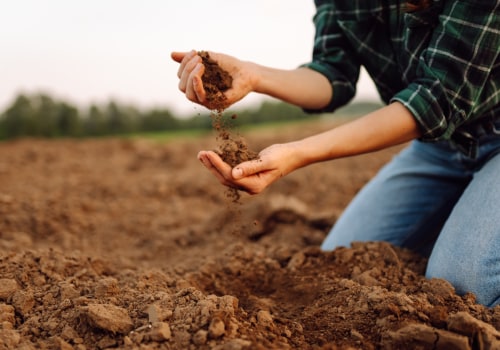
Soil fertility is a critical aspect of agricultural productivity, referring to the ability of soil to provide essential nutrients to plants. It encompasses not only the presence of macronutrients like nitrogen, phosphorus, and potassium but also micronutrients and organic matter that contribute to a healthy growing environment. Understanding soil fertility improvement is vital for farmers and land managers who aim to maximize crop yields while maintaining sustainable practices. The importance of soil fertility cannot be overstated; it directly influences plant growth, crop quality, and overall farm profitability. Healthy soil supports robust root systems, enhances water retention, and promotes beneficial microbial activity.
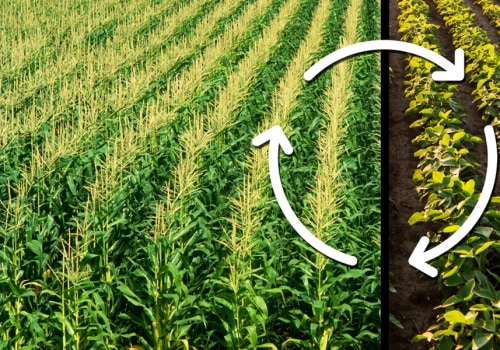
Conversely, poor soil fertility can lead to stunted growth, increased susceptibility to pests and diseases, and ultimately lower yields. As global food demand continues to rise, the need for effective soil management practices becomes increasingly urgent. Several factors affect soil fertility, including soil texture, pH levels, organic matter content, and land management practices. For instance, sandy soils may drain quickly but hold fewer nutrients compared to clay soils that retain moisture but can become compacted. Additionally, practices such as crop rotation and the use of fertilizers can either enhance or degrade soil health over time.
This complex interplay of factors sets the stage for innovative solutions like cover crops, which can significantly contribute to soil fertility improvement by enhancing nutrient cycling and preventing erosion.
What Are Cover Crops?
Cover crops are plants grown primarily to improve soil health and fertility rather than for harvest. They play a crucial role in sustainable agriculture by enhancing the physical, chemical, and biological properties of the soil. By planting cover crops, farmers can create a living mulch that protects the soil from erosion, suppresses weeds, and promotes biodiversity.Types of Cover Crops
- Legumes: These include clover, vetch, and peas. They are known for their ability to fix nitrogen in the soil, which is essential for plant growth.
- Grasses: Varieties such as ryegrass and oats help improve soil structure and prevent compaction.
- Brassicas: Plants like radishes and mustards can break up compacted soil layers and enhance nutrient cycling.
Benefits of Cover Crops
The benefits of cover crops extend beyond just improving soil fertility.Here are some key advantages:
- Nutrient Management: Cover crops can capture excess nutrients, preventing them from leaching into waterways and making them available for subsequent crops.
- Erosion Control: Their root systems help hold the soil in place, reducing erosion caused by wind and water.
- Soil Structure Improvement: The organic matter from decomposed cover crops enhances soil structure, leading to better water infiltration and root development.
- Pest Management: Certain cover crops can attract beneficial insects or deter pests, contributing to a healthier ecosystem.
How Cover Crops Improve Soil Fertility
Cover crops play a pivotal role in soil fertility improvement through various mechanisms that enhance the health and productivity of the soil. By incorporating these crops into agricultural practices, farmers can significantly boost the nutrient content and overall quality of their soil. One of the primary mechanisms by which cover crops improve soil fertility is through nitrogen fixation. Leguminous cover crops, such as clover and vetch, have the unique ability to convert atmospheric nitrogen into a form that plants can utilize.This process not only enriches the soil with essential nutrients but also reduces the need for synthetic fertilizers, promoting a more sustainable farming approach. In addition to nitrogen fixation, cover crops contribute to organic matter addition. As these plants grow and eventually decompose, they add valuable organic material to the soil. This organic matter enhances soil structure, improves water retention, and fosters a diverse microbial ecosystem, all of which are crucial for maintaining soil health. Furthermore, cover crops play an essential role in erosion control. By providing ground cover, they protect the soil from wind and water erosion, which can deplete nutrient-rich topsoil.
This protective layer not only preserves existing soil fertility but also promotes the accumulation of new organic matter over time. In summary, the integration of cover crops into farming systems offers multiple benefits for soil fertility improvement. Through nitrogen fixation, organic matter enhancement, and erosion control, these crops serve as a natural solution to bolster soil health and agricultural productivity.
The Role of Organic Matter in Soil Health
Organic matter plays a crucial role in soil health, serving as the foundation for a thriving ecosystem beneath our feet. It consists of decomposed plant and animal materials, which enrich the soil with essential nutrients and improve its structure. The presence of organic matter enhances the soil's ability to retain moisture, making it more resilient to drought conditions and reducing the need for frequent irrigation.One of the primary benefits of organic matter is its capacity to improve soil fertility.As organic matter decomposes, it releases vital nutrients such as nitrogen, phosphorus, and potassium, which are essential for plant growth. This natural nutrient cycling not only supports healthy crops but also reduces the reliance on synthetic fertilizers, promoting a more sustainable agricultural practice.Moreover, organic matter contributes to the formation of soil aggregates, which improves aeration and drainage. This structure allows roots to penetrate deeper into the soil, accessing more nutrients and water. Additionally, healthy soil with adequate organic matter levels fosters a diverse microbial community that aids in nutrient breakdown and availability.
How Cover Crops Enhance Organic Matter
Cover crops are an effective strategy for increasing organic matter in the soil.When planted during off-seasons or between main crops, these plants prevent soil erosion and suppress weeds while simultaneously adding biomass to the soil. As cover crops decompose, they contribute significant amounts of organic material, enriching the soil further.
- Increased Biomass: Cover crops like clover or rye produce substantial biomass that adds to the organic matter content when tilled into the soil.
- Nitrogen Fixation: Leguminous cover crops can fix atmospheric nitrogen, enhancing nutrient availability for subsequent crops.
- Soil Structure Improvement: The root systems of cover crops help create channels in the soil, improving aeration and water infiltration.
Best Practices for Implementing Cover Crops
Implementing cover crops effectively requires careful planning and consideration of several factors to ensure optimal soil fertility improvement. Here are some best practices to guide you:How to Plant Cover Crops
When planting cover crops, it’s essential to prepare the soil adequately.Start by tilling the soil to create a fine seedbed, which helps with seed-to-soil contact. You can either broadcast the seeds or drill them into the soil, depending on the species and your equipment. Ensure that you follow the recommended seeding rates for each cover crop species to achieve optimal growth.
Timing for Cover Crops
The timing of planting cover crops is crucial for maximizing their benefits. Generally, cover crops should be planted after the main cash crop has been harvested.This allows them to establish before winter or before the next planting season. For example, if you harvest corn in late fall, consider sowing winter rye or hairy vetch immediately afterward. Additionally, monitor local climate conditions to avoid planting too late in the season, which can hinder germination.
Selecting the Right Cover Crop Species
Choosing the right species of cover crops is vital for achieving specific soil fertility improvement goals. Different species offer various benefits:- Legumes , such as clover and vetch, fix nitrogen in the soil, enhancing nutrient availability for subsequent crops.
- Cereal grains , like rye and oats, improve soil structure and prevent erosion.
- Brassicas , such as radishes, can help break up compacted soil layers and improve drainage.
A diverse mix of cover crops can provide multiple benefits, enhancing overall soil fertility.By following these best practices for planting, timing, and selecting cover crop species, farmers can significantly enhance their soil health and fertility over time.
Case Studies: Successful Use of Cover Crops
Numerous case studies illustrate the effectiveness of cover crops in enhancing soil fertility. These real-world examples provide valuable insights into how farmers can implement these practices successfully.1.The Smith Family Farm, Iowa
At the Smith Family Farm, a 200-acre corn and soybean operation, the introduction of cover crops such as rye and clover has led to significant improvements in soil health. After just three years of using cover crops, soil tests showed a 30% increase in organic matter levels. This enhancement not only improved nutrient availability but also reduced erosion during heavy rains.
2.Green Valley Farms, California
Green Valley Farms adopted a diverse mix of cover crops, including vetch and radishes, to combat soil compaction and enhance soil fertility.
The results were remarkable: farmers reported a 25% increase in crop yields over two growing seasons. Additionally, the cover crops helped fix nitrogen in the soil, reducing the need for synthetic fertilizers.
3.Riverbend Ranch, Texas
At Riverbend Ranch, a cattle operation, the use of cover crops like oats and peas has transformed the land. The ranchers noticed improved water retention and reduced runoff, which contributed to better soil structure. Soil fertility tests indicated a 40% increase in phosphorus levels, which is crucial for plant growth.
4.Maplewood Organic Farm, Vermont
This organic farm implemented a winter cover crop strategy using hairy vetch and winter rye.
The outcome was a significant reduction in weed pressure and an increase in soil microbial activity. Farmers reported that their soil was healthier and more resilient against pests and diseases, leading to higher-quality produce.These success stories highlight that integrating cover crops into farming practices not only improves soil fertility but also enhances overall farm sustainability. By learning from these examples, other farmers can adopt similar strategies to reap the benefits of improved soil health.
Common Misconceptions About Cover Crops
Despite the growing recognition of cover crops as a vital tool for soil fertility improvement, several misconceptions persist that can hinder their adoption among farmers. Addressing these myths is crucial for promoting a better understanding of the benefits that cover crops can offer.- Myth 1: Cover crops are only for organic farming. Many believe that cover crops are exclusively beneficial in organic systems.
In reality, they can enhance soil fertility in conventional farming as well, providing benefits such as reduced erosion, improved soil structure, and increased nutrient availability.
- Myth 2: Cover crops are too expensive to implement. While there may be initial costs associated with planting cover crops, the long-term savings from reduced fertilizer use and improved soil health often outweigh these expenses. Additionally, many programs offer financial assistance to help offset costs.
- Myth 3: Cover crops require too much management. Some farmers fear that managing cover crops will add complexity to their operations. However, with proper planning and selection of suitable species, cover crops can be integrated seamlessly into existing practices, requiring minimal additional management.
- Myth 4: Cover crops do not provide immediate benefits. While the full benefits of cover crops may take time to manifest, many farmers report immediate improvements in soil structure and moisture retention. These early benefits can lead to enhanced crop yields in subsequent seasons.
Farmers may face issues such as selecting the right species for their specific climate and soil conditions or managing potential pest pressures. However, with proper education and resources, these challenges can be effectively managed.By dispelling these misconceptions and addressing the challenges head-on, farmers can make informed decisions about incorporating cover crops into their systems, ultimately leading to significant soil fertility improvement.
Conclusion: The Future of Soil Fertility with Cover Crops
In conclusion, the role of cover crops in soil fertility improvement cannot be overstated. As we have explored throughout this article, these plants serve multiple functions that contribute to healthier soils and sustainable agricultural practices. Cover crops enhance soil structure, prevent erosion, and promote biodiversity, all of which are essential for maintaining soil fertility. By incorporating cover crops into farming systems, farmers can effectively increase organic matter content, which is crucial for nutrient retention and microbial activity. Moreover, the use of cover crops can lead to significant reductions in the need for chemical fertilizers.This not only lowers input costs for farmers but also minimizes the environmental impact associated with fertilizer runoff. As a result, adopting cover crops aligns with the growing demand for sustainable agriculture practices that prioritize ecological balance. Looking ahead, the integration of cover crops into mainstream farming will likely become more prevalent as awareness of their benefits continues to grow. Farmers who embrace this practice will not only improve their soil fertility but also contribute to a more resilient agricultural system capable of withstanding climate change challenges. In summary, the future of soil fertility improvement lies in the hands of those willing to adopt innovative practices like cover cropping. By doing so, they can ensure that their soils remain productive and healthy for generations to come.