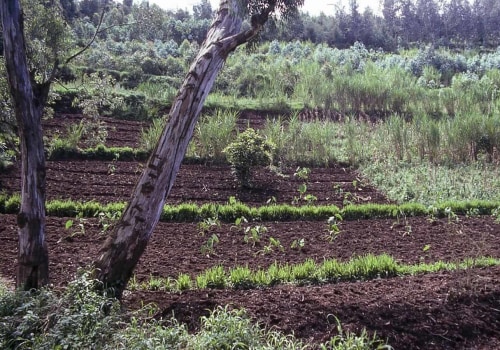
Soil fertility is a critical aspect of agricultural productivity, referring to the ability of soil to provide essential nutrients to plants. It encompasses not only the presence of vital minerals and organic matter but also the soil's structure, pH level, and biological activity. Understanding soil fertility improvement is fundamental for farmers and agriculturalists aiming to maximize crop yields and ensure sustainable farming practices. The importance of soil fertility cannot be overstated; it directly influences plant growth, crop quality, and overall farm profitability. Healthy, fertile soil supports robust root systems, enhances water retention, and promotes beneficial microbial activity.
Conversely, depleted or poor-quality soil can lead to reduced crop yields, increased susceptibility to pests and diseases, and ultimately, economic losses for farmers. Several factors affect soil fertility, including nutrient availability, soil texture, organic matter content, and environmental conditions. For instance, soils rich in organic matter tend to retain moisture better and provide a more stable environment for plant roots. Additionally, practices such as crop rotation can significantly enhance soil fertility by diversifying nutrient uptake and minimizing the depletion of specific nutrients. This introductory understanding sets the stage for exploring how strategic agricultural practices can lead to sustainable improvements in soil health.
What is Crop Rotation?
Crop rotation is an agricultural practice that involves alternating the types of crops grown on a particular piece of land over successive seasons.This method is designed to enhance soil fertility improvement and reduce the risk of soil degradation. By varying the crops, farmers can optimize nutrient use and minimize pest and disease cycles.
Types of Crop Rotation
- Simple Rotation: This involves alternating two or three different crops in a specific sequence. For example, a farmer might plant corn one year, followed by soybeans the next.
- Complex Rotation: This method includes a wider variety of crops over several years, which can help in managing soil health more effectively. For instance, a rotation might include grains, legumes, and root vegetables.
- Cover Cropping: In this type, cover crops are planted during off-seasons to protect and enrich the soil.
These crops can prevent erosion and improve organic matter content.
Benefits of Crop Rotation
- Nutrient Management: Different crops have varying nutrient requirements. By rotating crops, farmers can ensure that soil nutrients are replenished naturally, leading to improved soil fertility.
- Pest and Disease Control: Rotating crops disrupts the life cycles of pests and diseases that thrive on specific plants, reducing the need for chemical pesticides.
- Soil Structure Improvement: Different root systems from various crops can enhance soil structure and aeration, promoting better water infiltration and root growth.
- Weed Management: Crop rotation can help in managing weed populations by changing the competitive dynamics in the field.
The Science Behind Soil Fertility Improvement
Understanding the science behind soil fertility improvement is essential for sustainable agriculture. At the core of this concept is nutrient cycling, a natural process where nutrients are transferred between the soil, plants, and microorganisms.This cycle ensures that essential elements like nitrogen, phosphorus, and potassium are available for plant uptake, promoting healthy growth.When crops are rotated, different plants contribute to and extract various nutrients from the soil. For instance, legumes such as clover and beans can fix atmospheric nitrogen into the soil, enriching it for subsequent crops. This not only enhances soil nutrients but also reduces the need for synthetic fertilizers, which can harm the environment.
The Role of Microbial Activity
Microorganisms play a pivotal role in soil fertility improvement. They decompose organic matter, releasing nutrients back into the soil in forms that plants can absorb.Healthy microbial communities are crucial for maintaining soil structure and enhancing nutrient availability. Crop rotation fosters diverse microbial populations by introducing different root structures and organic residues, which support a variety of microbial life.
- Nitrogen-fixing bacteria: These microorganisms convert atmospheric nitrogen into a form usable by plants, significantly boosting soil fertility.
- Decomposers: Fungi and bacteria break down organic matter, recycling nutrients and improving soil structure.
- Mycorrhizal fungi: These fungi form symbiotic relationships with plant roots, enhancing nutrient uptake and water absorption.
How Crop Rotation Enhances Soil Fertility
Crop rotation is a sustainable agricultural practice that significantly contributes to soil fertility improvement. By alternating the types of crops grown in a specific area over time, farmers can enhance the nutrient profile of the soil and promote a healthier ecosystem.One of the primary benefits of crop rotation is its ability to replenish essential nutrients.Different crops have varying nutrient requirements and uptake patterns. For instance, legumes such as beans and peas have the unique ability to fix nitrogen in the soil, enriching it for subsequent crops. When these legumes are rotated with nitrogen-demanding crops like corn or wheat, they help maintain a balanced nutrient level, reducing the need for synthetic fertilizers.Moreover, crop rotation can improve soil structure. Continuous planting of the same crop can lead to soil compaction and degradation.
By rotating crops, farmers can promote diverse root systems that enhance soil aeration and water infiltration. This diversity not only helps in breaking up compacted layers but also fosters a more resilient soil structure that can better withstand erosion and drought conditions.
- Nutrient Replenishment: Legumes enrich nitrogen levels.
- Diverse Root Systems: Different crops contribute to improved soil aeration.
- Reduced Soil Compaction: Rotating crops prevents degradation.
It not only replenishes nutrients and improves soil structure but also contributes to sustainable farming practices that benefit both the environment and agricultural productivity.
Case Studies: Successful Crop Rotation Practices
Crop rotation has been a cornerstone of sustainable agriculture, and numerous case studies illustrate its effectiveness in enhancing soil fertility improvement. Here are some notable examples:- Midwestern United States: A study conducted in Iowa demonstrated that farmers who rotated corn with soybeans experienced a significant increase in soil nitrogen levels. The legumes in the soybean crop fixed atmospheric nitrogen, enriching the soil for the subsequent corn crop. This practice not only improved yields but also reduced the need for synthetic fertilizers.
- European Union: In France, a long-term research project on organic farming revealed that rotating wheat with cover crops like clover and vetch led to enhanced soil structure and increased organic matter content.
Farmers reported improved water retention and reduced erosion, showcasing how diverse crop rotations can lead to healthier soils.
- Australia: A case study in New South Wales highlighted the benefits of rotating wheat with canola. The rotation helped break pest cycles and reduced disease incidence, which in turn led to higher crop resilience and better overall soil health. Farmers noted that this practice not only improved soil fertility but also increased profitability.
As these case studies show, implementing effective crop rotation strategies is a proven method for achieving soil fertility improvement, ultimately leading to more sustainable agricultural practices.
Challenges and Considerations in Crop Rotation
Implementing crop rotation can significantly enhance soil fertility improvement, but it is not without its challenges. Farmers must navigate various considerations to ensure the effectiveness of their rotation strategies.Challenges of Crop Rotation
- Knowledge and Planning: Understanding the specific nutrient needs of different crops and how they interact with soil health is crucial. Farmers may struggle with planning rotations that maximize benefits while minimizing risks.
- Pest and Disease Management: While crop rotation can help reduce pest populations, it can also introduce new pests or diseases if not carefully managed. Farmers need to be vigilant about monitoring their fields.
- Market Demand: The economic viability of certain crops can influence rotation decisions.
If market demand shifts, farmers may find it challenging to stick to their planned rotations.
Considerations for Effective Crop Rotation
- Diversity of Crops: Incorporating a variety of crops can enhance soil health and reduce the risk of pest outbreaks. Consider rotating legumes with cereals to improve nitrogen levels in the soil.
- Soil Type and Climate: Different soils and climates may favor specific crops. Understanding local conditions is essential for selecting appropriate crops for rotation.
- Timing and Sequence: The timing of planting and harvesting can affect soil structure and nutrient availability. A well-planned sequence can optimize these factors for better yields.
Common Mistakes in Crop Rotation
- Lack of Research: Failing to research the best practices for crop rotation can lead to ineffective strategies that do not improve soil fertility.
- Neglecting Soil Health: Focusing solely on crop yield without considering soil health can undermine long-term fertility improvements.
- Inflexibility: Sticking rigidly to a rotation plan without adapting to changing conditions or new information can limit the benefits of crop rotation.
Frequently Asked Questions about Crop Rotation and Soil Fertility
Crop rotation is a widely discussed agricultural practice, yet many still have questions about its impact on soil fertility improvement.Here are some frequently asked questions that can help clarify common misconceptions.
What is crop rotation?
Crop rotation involves alternating the types of crops grown in a particular area across different seasons or years. This practice helps to break pest and disease cycles, enhances soil structure, and promotes nutrient cycling.How does crop rotation improve soil fertility?
- Diverse root systems: Different crops have varying root structures that can access nutrients at different soil depths, leading to a more balanced nutrient profile.
- Nitrogen fixation: Leguminous crops, such as beans and peas, can fix atmospheric nitrogen into the soil, enriching it for subsequent crops.
- Organic matter enhancement: Rotating with cover crops or green manures can increase organic matter content, which is crucial for maintaining soil health.
Are there any misconceptions about crop rotation?
- Myth: Crop rotation is only beneficial for large-scale farms.
Fact: Even small gardens can benefit from rotating crops to improve soil fertility. - Myth: All crops can be rotated without consideration.
Fact: It's essential to choose compatible crops that complement each other’s growth needs and pest resistance.
By addressing these common questions and misconceptions, we can promote more sustainable agricultural practices.
Conclusion: The Future of Soil Fertility through Crop Rotation
In conclusion, the practice of crop rotation emerges as a vital strategy for enhancing soil fertility improvement. By systematically alternating the types of crops grown in a particular area, farmers can significantly boost the nutrient content of the soil, reduce pest populations, and improve overall soil structure.Throughout this article, we have explored several key benefits of crop rotation:- Nutrient Management: Different crops have varying nutrient requirements and contributions. For instance, legumes can fix nitrogen in the soil, enriching it for subsequent crops.
- Pest and Disease Control: Rotating crops disrupts the life cycles of pests and diseases that thrive on specific plants, leading to healthier crops and reduced reliance on chemical pesticides.
- Soil Structure Improvement: Diverse root systems from different plants help to aerate the soil and improve its structure, promoting better water infiltration and root growth.
By investing in these practices today, we are not only ensuring the productivity of our farms but also safeguarding the health of our ecosystems for future generations.Ultimately, embracing crop rotation is not just a method for immediate gains; it is a long-term commitment to sustainable agriculture that fosters resilience in our food systems. As more farmers recognize its benefits, we can look forward to a future where soil fertility improvement is achieved through responsible and innovative farming practices.