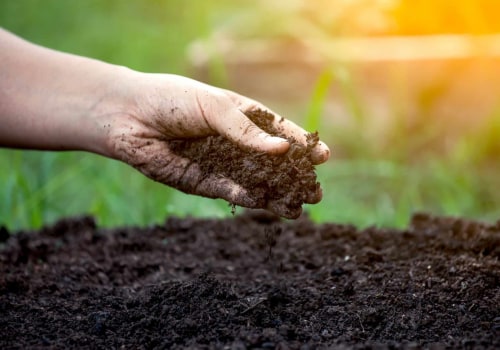
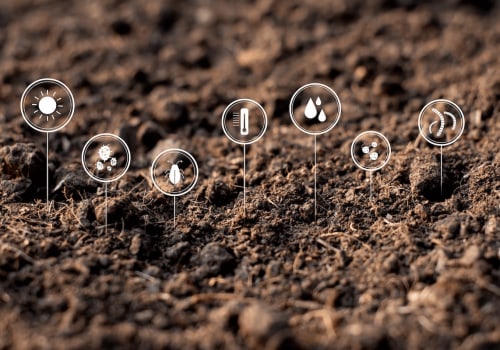
Soil fertility is a critical aspect of agricultural productivity, referring to the ability of soil to provide essential nutrients to plants. It encompasses a variety of factors, including the presence of organic matter, nutrient availability, and the soil's physical and chemical properties. Understanding soil fertility improvement is vital for farmers and land managers who aim to cultivate healthy crops and sustain agricultural practices over time. The importance of soil fertility cannot be overstated; it directly influences crop yield, quality, and resilience against pests and diseases. Fertile soil not only supports plant growth but also plays a crucial role in maintaining ecosystem balance.
Healthy soils contribute to water retention, carbon sequestration, and biodiversity, making them indispensable for sustainable agriculture and environmental health. Several factors affect soil fertility, including soil texture, pH levels, organic matter content, and microbial activity. Additionally, human activities such as over-farming, deforestation, and the excessive use of chemical fertilizers can degrade soil quality over time. This degradation poses significant challenges for food security and environmental sustainability. As we explore the role of agroforestry systems in enhancing soil fertility, it becomes clear that integrating trees with crops can offer innovative solutions to restore and improve soil health.
What is Agroforestry?
Agroforestry
is an integrated approach that combines agriculture and forestry practices to create more sustainable and productive land-use systems.
This method involves the intentional planting of trees alongside crops and/or livestock, which can lead to numerous ecological and economic benefits.There are several types of agroforestry systems , each tailored to specific environmental conditions and agricultural needs:
- Alley Cropping: This system involves planting rows of trees at wide spacings with a companion crop grown in the intervening spaces. This not only enhances biodiversity but also improves soil structure.
- Silvopasture: In this system, trees are integrated into pastureland, allowing livestock to graze under the canopy. This can lead to improved animal welfare and increased forage quality.
- Forest Farming: This practice involves cultivating high-value specialty crops under the protection of a managed forest canopy, which can enhance soil fertility through organic matter accumulation.
- Windbreaks: Rows of trees planted to protect crops from wind can reduce soil erosion and improve microclimates for better crop yields.
Additionally, the presence of trees can help in carbon sequestration, thus contributing to climate change mitigation.Moreover, agroforestry practices can significantly enhance soil fertility improvement. The deep-rooted trees can access nutrients from deeper soil layers, which are then made available to surrounding crops through leaf litter and root exudates. This natural nutrient cycling reduces the need for chemical fertilizers, promoting a healthier soil ecosystem.In summary, agroforestry is a multifaceted approach that not only supports agricultural productivity but also fosters environmental sustainability through improved soil health and biodiversity.
The Relationship Between Agroforestry and Soil Fertility Improvement
Agroforestry systems play a crucial role in soil fertility improvement by integrating trees and shrubs into agricultural landscapes. This multifaceted approach not only enhances biodiversity but also contributes significantly to the health of the soil.Mechanisms of Soil Fertility Improvement
- Nutrient Cycling: Trees in agroforestry systems contribute to nutrient cycling by capturing atmospheric nitrogen through their root systems.
This process enriches the soil with organic matter, which is essential for maintaining soil fertility.
- Organic Matter Addition: The decomposition of leaf litter and other organic materials from trees adds valuable organic matter to the soil. This enhances soil structure, improves water retention, and promotes microbial activity, all of which are vital for soil health.
- Soil Erosion Control: The root systems of trees help anchor the soil, reducing erosion caused by wind and water. By preventing soil loss, agroforestry systems maintain the topsoil layer rich in nutrients.
- Diverse Root Systems: Different plant species have varying root depths and structures, which allows them to access nutrients from different soil layers. This diversity helps in maximizing nutrient uptake and minimizing competition among plants.
- Microclimate Regulation: Trees provide shade and reduce temperature fluctuations, creating a more stable microclimate that can enhance microbial activity in the soil.
A thriving microbial community is essential for breaking down organic matter and releasing nutrients.
Key Mechanisms of Soil Fertility Improvement in Agroforestry Systems
Agroforestry systems play a crucial role in soil fertility improvement through several key mechanisms that enhance the health and productivity of the soil. Understanding these mechanisms can help farmers and land managers implement effective practices that lead to sustainable agricultural systems.Nutrient Cycling
One of the primary ways agroforestry systems improve soil fertility is through nutrient cycling. Trees and shrubs in these systems contribute to nutrient cycling by taking up nutrients from deeper soil layers and returning them to the surface through leaf litter and root biomass.This process not only replenishes essential nutrients but also enhances soil structure, making it more conducive to plant growth.
Organic Matter Addition
The addition of organic matter is another significant mechanism for enhancing soil fertility. In agroforestry systems, fallen leaves, decaying wood, and other organic materials enrich the soil with organic matter. This organic matter improves soil texture, increases water retention, and provides a habitat for beneficial microorganisms. As these organisms break down organic materials, they release nutrients that are readily available for plant uptake.Erosion Control
Agroforestry systems also contribute to erosion control, which is vital for maintaining soil fertility.The root systems of trees and shrubs stabilize the soil, reducing the risk of erosion caused by wind and water. By preventing topsoil loss, these systems help maintain nutrient levels and promote a healthier growing environment for crops.
Biodiversity Benefits
Finally, agroforestry enhances biodiversity, which is essential for a resilient ecosystem. A diverse range of plants attracts various beneficial insects and microorganisms that contribute to nutrient cycling and pest control. This biodiversity not only supports soil health but also leads to improved crop yields, further reinforcing the cycle of soil fertility improvement.In summary, agroforestry systems utilize mechanisms such as nutrient cycling, organic matter addition, erosion control, and biodiversity benefits to significantly enhance soil fertility.By integrating these practices into agricultural landscapes, farmers can achieve sustainable productivity while preserving the health of their soils.
Case Studies: Successful Agroforestry Practices Enhancing Soil Fertility
Agroforestry systems have been implemented in various regions around the world, showcasing their potential for soil fertility improvement. Here are some notable case studies that highlight successful practices:- Case Study 1: The Alley Cropping System in West Africa
In countries like Nigeria and Ghana, farmers have adopted alley cropping, where crops are grown between rows of trees. This practice not only provides shade and reduces soil erosion but also enhances soil fertility through the addition of organic matter from tree litter. Studies have shown that this method can increase crop yields by up to 50% while improving soil structure. - Case Study 2: Silvopasture in Brazil
In the Brazilian Amazon, silvopasture systems integrate trees with livestock grazing.This approach has led to improved nutrient cycling as animal waste fertilizes the soil, while tree roots help prevent compaction and promote water retention. Research indicates that these systems can enhance soil fertility significantly, leading to healthier pastures and increased livestock productivity.
- Case Study 3: Home Gardens in Southeast Asia
In countries like Indonesia and Thailand, traditional home gardens combine fruit trees, vegetables, and medicinal plants. These diverse systems contribute to soil fertility improvement by utilizing crop residues and organic waste, which enrich the soil. The integration of various plant species also helps in pest management and reduces the need for chemical fertilizers.
By adopting such practices, farmers can achieve sustainable agricultural systems that benefit both their livelihoods and the environment.
Challenges and Considerations in Implementing Agroforestry for Soil Fertility Improvement
Implementing agroforestry systems for soil fertility improvement presents several challenges and considerations that farmers must navigate. Understanding these factors is crucial for successful integration into existing agricultural practices.Challenges of Agroforestry
- Initial Investment: Establishing agroforestry systems often requires significant upfront costs for planting trees and managing the new ecosystem. Farmers may need to invest in seedlings, tools, and labor, which can be a barrier for those with limited financial resources.
- Knowledge and Training: Many farmers may lack the necessary knowledge about agroforestry practices. Training programs are essential to equip them with the skills needed to manage diverse crops and trees effectively.
- Pest Management: The introduction of new plant species can alter pest dynamics.
Farmers must be prepared to manage potential pest outbreaks that could arise from the increased biodiversity.
Considerations for Farmers
- Site Selection: Not all land is suitable for agroforestry. Farmers need to assess soil types, climate conditions, and existing vegetation to determine the best approach for their specific location.
- Long-Term Commitment: Agroforestry systems take time to mature. Farmers should be prepared for a long-term commitment before seeing significant benefits in soil fertility improvement.
- Market Access: The introduction of new crops may require farmers to find new markets or adapt their marketing strategies. Understanding market demand is crucial for ensuring economic viability.
Potential Drawbacks of Agroforestry Systems
- Competition for Resources: Trees and crops may compete for water, nutrients, and sunlight, potentially leading to reduced yields if not managed properly.
- Cultural Resistance: Some farmers may be hesitant to adopt agroforestry due to traditional farming practices or skepticism about its benefits.
Building trust and demonstrating success stories can help overcome this barrier.
Future Perspectives on Agroforestry and Soil Fertility Improvement
The future of agroforestry holds significant promise for enhancing soil fertility improvement through innovative practices and sustainable agriculture trends. As the global population continues to rise, the demand for food production will necessitate more efficient and environmentally friendly farming methods. Agroforestry systems, which integrate trees and shrubs into agricultural landscapes, are poised to play a crucial role in this evolution.One of the most exciting innovations in agroforestry is the use of permaculture principles. By designing agricultural systems that mimic natural ecosystems, farmers can create resilient landscapes that enhance soil health.This approach not only improves soil fertility but also promotes biodiversity, which is essential for sustainable agriculture.
- Cover Cropping: The integration of cover crops in agroforestry systems can significantly reduce soil erosion and improve nutrient cycling.
- Agroecological Practices: Techniques such as intercropping and agro-biodiversity can enhance soil structure and fertility.
- Precision Agriculture: Utilizing technology to monitor soil health can lead to targeted interventions that optimize nutrient management.
By embracing these advancements and sustainable practices, farmers can contribute to a more resilient agricultural system that meets the challenges of tomorrow while preserving our natural resources.
FAQs About Agroforestry and Soil Fertility Improvement
Agroforestry systems have gained attention for their potential to enhance soil fertility improvement. Here are some frequently asked questions that clarify the relationship between agroforestry and soil health.What is agroforestry?
Agroforestry is a land-use management system that combines agriculture and forestry practices. It integrates trees, crops, and sometimes livestock in a way that benefits the environment and improves productivity.How does agroforestry improve soil fertility?
- Nutrient Cycling: Trees in agroforestry systems contribute to nutrient cycling by adding organic matter through leaf litter and root biomass, which enhances soil structure and fertility.
- Soil Erosion Control: The root systems of trees help anchor the soil, reducing erosion and maintaining soil depth, which is crucial for nutrient retention.
- Microclimate Regulation: Trees provide shade and reduce temperature fluctuations, creating a more stable environment for crops and beneficial soil organisms.
Are there misconceptions about agroforestry?
- Myth: Agroforestry is only suitable for tropical regions.
Fact: Agroforestry can be implemented in various climates, including temperate zones, enhancing soil fertility improvement globally. - Myth: Agroforestry requires large land areas.
Fact: Even small-scale farms can benefit from agroforestry practices, making it accessible to diverse agricultural settings.