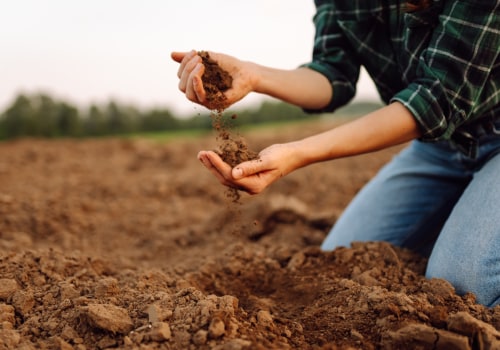
Soil fertility is a critical component of sustainable agriculture, serving as the foundation for healthy plant growth and robust crop yields. It refers to the ability of soil to provide essential nutrients to plants, which is vital for their development and productivity. Understanding soil fertility involves recognizing its multifaceted nature, encompassing not only the chemical composition of the soil but also its physical structure and biological activity. The interplay of these factors determines how well soil can support plant life, making it a cornerstone of agricultural success. The importance of soil fertility improvement cannot be overstated.
Fertile soil enhances crop resilience against pests and diseases, reduces the need for chemical fertilizers, and promotes sustainable farming practices. As global populations continue to rise, the demand for food increases, placing immense pressure on agricultural systems. Therefore, maintaining and improving soil fertility is essential for ensuring food security and environmental sustainability. Several factors influence soil fertility, including organic matter content, soil pH, nutrient availability, and moisture levels. Additionally, human activities such as land use changes, deforestation, and over-farming can significantly impact soil health.
By understanding these factors, farmers and land managers can implement strategies to enhance soil fertility effectively. This sets the stage for exploring the vital role that microorganisms play in this intricate ecosystem, as they are key players in nutrient cycling and organic matter decomposition.
The Role of Microorganisms in Soil Health
Microorganisms play a crucial role in maintaining soil fertility and enhancing the overall health of the soil ecosystem. These tiny organisms, which include bacteria, fungi, and protozoa, are essential for various processes that contribute to soil fertility improvement.Types of Soil Microorganisms
- Bacteria: These are the most abundant microorganisms in the soil. They are vital for nitrogen fixation, a process that converts atmospheric nitrogen into a form that plants can use.
Bacteria also help in decomposing organic matter, releasing nutrients back into the soil.
- Fungi: Fungi play a significant role in breaking down complex organic materials, such as cellulose and lignin. Mycorrhizal fungi form symbiotic relationships with plant roots, enhancing nutrient uptake and improving plant health.
- Protozoa: These single-celled organisms feed on bacteria and organic matter, helping to regulate bacterial populations and release nutrients through their waste products.
Benefits of Soil Microorganisms
The benefits of soil microorganisms extend beyond nutrient cycling. They contribute to:- Nutrient Cycling: Microorganisms decompose organic materials, releasing essential nutrients like nitrogen, phosphorus, and potassium into the soil, making them available for plant uptake.
- Soil Structure Improvement: The activity of microorganisms helps to bind soil particles together, improving soil structure and aeration. This enhances water retention and root penetration.
- Pest and Disease Suppression: Certain soil microorganisms can suppress plant pathogens, reducing the need for chemical pesticides and promoting healthier crops.
By facilitating nutrient cycling, enhancing soil structure, and supporting plant health, these microorganisms are indispensable allies in sustainable agriculture and ecosystem management.
Nutrient Cycling and Microorganisms
Microorganisms play a pivotal role in nutrient cycling, which is essential for maintaining soil fertility. These tiny organisms, including bacteria and fungi, are responsible for breaking down organic matter and facilitating the availability of nutrients to plants.Nitrogen Fixation
One of the most critical processes in nutrient cycling is nitrogen fixation. Certain bacteria, such as Rhizobium, form symbiotic relationships with leguminous plants, converting atmospheric nitrogen into a form that plants can absorb. This process not only enriches the soil but also enhances plant growth, making it a cornerstone of sustainable agriculture.Phosphorus Solubilization
Phosphorus is another vital nutrient that often limits plant growth.Microorganisms like mycorrhizal fungi play a significant role in phosphorus solubilization. These fungi extend their hyphae into the soil, increasing the surface area for nutrient absorption. They convert insoluble phosphorus compounds into soluble forms that plants can utilize, thereby improving overall soil fertility.
Decomposition of Organic Matter
The decomposition of organic matter is a fundamental process facilitated by microorganisms. Bacteria and fungi break down dead plant and animal material, releasing essential nutrients back into the soil.This process not only recycles nutrients but also improves soil structure and water retention capacity.
- Bacteria: Key players in nitrogen fixation and organic matter decomposition.
- Fungi: Enhance phosphorus availability and contribute to organic matter breakdown.
- Actinomycetes: Help decompose complex organic compounds, further enriching the soil.
Microbial Interactions and Soil Fertility Improvement
The interactions among microorganisms in the soil play a crucial role in soil fertility improvement. These interactions can be broadly categorized into mutualistic, commensal, and antagonistic relationships, each contributing uniquely to the health and productivity of the soil ecosystem.Symbiosis in Soil Microorganisms
- Mycorrhizal fungi form symbiotic relationships with plant roots, enhancing nutrient uptake, particularly phosphorus.
This relationship not only benefits the plants but also supports the fungi by providing them with carbohydrates produced through photosynthesis.
- In addition to mycorrhizal fungi, other beneficial bacteria such as Rhizobia establish symbiotic relationships with legumes, fixing atmospheric nitrogen into a form that plants can utilize. This process significantly contributes to soil nitrogen levels, promoting overall fertility.
- Furthermore, actinobacteria and certain fungi decompose organic matter, releasing essential nutrients back into the soil. This decomposition process is vital for maintaining nutrient cycling and improving soil structure.
Benefits of Mycorrhizal Fungi
- Mycorrhizal fungi increase the surface area for water and nutrient absorption, allowing plants to thrive even in nutrient-poor soils.
- They also enhance soil aggregation, which improves aeration and water retention, creating a more favorable environment for root growth.
- Moreover, these fungi can help protect plants from pathogens by outcompeting harmful microorganisms in the rhizosphere.
Understanding these relationships allows farmers and land managers to implement strategies that promote beneficial microorganisms, ultimately supporting soil health and productivity.
Impact of Soil Management Practices on Microbial Activity
The relationship between soil management practices and microbial activity is crucial for enhancing soil fertility improvement. Different agricultural methods can significantly influence the diversity and functionality of soil microorganisms, which play a vital role in nutrient cycling and organic matter decomposition.Conventional Farming vs. Organic Farming
- Conventional farming often relies on synthetic fertilizers and pesticides, which can disrupt the natural microbial communities in the soil. These chemicals may lead to a decline in beneficial microorganisms, reducing their ability to enhance soil structure and fertility.
- In contrast, organic farming practices promote the use of natural amendments such as compost, cover crops, and crop rotations.
These methods foster a diverse microbial population that contributes to improved soil health and fertility.
Effects of Fertilizers on Soil Microbes
- The application of synthetic fertilizers can lead to an initial boost in nutrient levels; however, over time, it may result in a decrease in microbial diversity. This is because certain fertilizers can create an imbalance in nutrient availability, favoring specific microbial groups while suppressing others.
- Conversely, organic fertilizers tend to release nutrients more slowly, allowing for a more stable environment for diverse microbial populations.
This gradual release supports sustained microbial activity and enhances overall soil fertility.
Challenges Facing Soil Microorganisms Today
The health of soil microorganisms is increasingly threatened by a variety of challenges that can significantly impact soil fertility improvement. Understanding these challenges is essential for developing effective strategies to protect and enhance soil health.Pollution Effects on Soil Health
- Pesticides and Herbicides: The widespread use of chemical pesticides and herbicides can disrupt microbial communities, leading to a decline in beneficial microorganisms that are crucial for nutrient cycling and organic matter decomposition.
- Heavy Metals: Industrial activities often result in the accumulation of heavy metals in soils, which can be toxic to microorganisms. This toxicity not only reduces microbial diversity but also hampers their ability to contribute to soil fertility improvement.
- Plastic Pollution: Microplastics can alter soil structure and affect the microbial habitat, leading to reduced microbial activity and diversity.
Climate Change and Soil Fertility
- Temperature Fluctuations: Rising temperatures can affect microbial metabolism and community composition, potentially leading to decreased soil fertility as essential processes like nitrogen fixation are disrupted.
- Altered Precipitation Patterns: Changes in rainfall can lead to soil erosion or waterlogging, both of which negatively impact microbial populations.
Drought conditions can also reduce microbial activity, limiting their role in nutrient cycling.
Unsustainable Agricultural Practices
- Monoculture: Continuous planting of the same crop depletes specific nutrients from the soil and reduces microbial diversity, making it harder for soils to recover and maintain fertility.
- Over-Tillage: Excessive tillage disrupts soil structure and harms microbial habitats, leading to a decline in beneficial organisms that support soil fertility improvement.
Future Directions for Research and Practice
As we look to the future of soil microbiology, it is clear that innovative research and practices will play a crucial role in enhancing soil fertility improvement. The ongoing study of microorganisms in agriculture is vital for developing sustainable farming practices that can meet the demands of a growing global population.One promising area of research is the exploration of microbial consortia, which are groups of different microorganisms that work synergistically to enhance soil health. By understanding how these consortia interact with plants and soil, researchers can develop targeted inoculants that improve nutrient availability and promote plant growth.Additionally, advancements in genomic technologies are enabling scientists to identify specific microbial strains that contribute to soil fertility.This knowledge can lead to the development of tailored microbial solutions that address specific soil deficiencies, ultimately improving crop yields.Innovative practices such as cover cropping and no-till farming are also gaining traction as methods to enhance microbial activity in the soil. These practices not only protect the soil structure but also create a favorable environment for beneficial microorganisms to thrive.Furthermore, integrating biochar into soil management strategies has shown potential in enhancing microbial communities. Biochar can improve soil aeration and water retention, providing a habitat for microorganisms while also sequestering carbon.The future of soil fertility improvement hinges on interdisciplinary collaboration among agronomists, microbiologists, and environmental scientists. By sharing knowledge and resources, we can develop comprehensive strategies that leverage microbial activity for sustainable agriculture.In conclusion, continued research into the role of microorganisms in soil health is essential.
As we uncover more about these tiny yet powerful organisms, we can implement innovative practices that not only enhance soil fertility but also contribute to the overall sustainability of agricultural systems.
Frequently Asked Questions about Microorganisms and Soil Fertility
Understanding the role of microorganisms in soil fertility improvement is crucial for both agricultural practices and environmental sustainability. Here are some frequently asked questions that can help clarify their importance:What types of microorganisms are involved in soil fertility?
Soil microorganisms include bacteria, fungi, protozoa, and nematodes. Each type plays a unique role in enhancing soil fertility. For instance, bacteria are essential for nitrogen fixation, while fungi help decompose organic matter, releasing nutrients back into the soil.How do microorganisms improve soil fertility?
Microorganisms contribute to soil fertility improvement through various processes:- Nutrient Cycling: They break down organic materials, making nutrients available to plants.
- Soil Structure: Fungi and bacteria help bind soil particles together, improving aeration and water retention.
- Pest and Disease Suppression: Certain beneficial microorganisms can outcompete harmful pathogens, reducing disease incidence.
How can I enhance microbial activity in my soil?
Enhancing microbial activity is vital for maintaining soil fertility.Here are some effective strategies:
- Add Organic Matter: Incorporating compost or well-rotted manure provides food for microorganisms.
- Avoid Chemical Fertilizers: Excessive use can harm beneficial microbes; opt for organic alternatives instead.
- Practice Crop Rotation: This encourages a diverse microbial community by varying plant types and root structures.