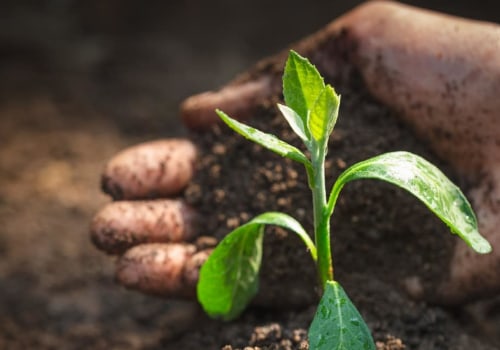
Monoculture, the agricultural practice of growing a single crop species over a wide area for consecutive seasons, has become increasingly prevalent in modern farming. This method is often adopted for its perceived efficiency and economic benefits, allowing farmers to specialize in high-demand crops such as corn, soybeans, or wheat. However, while monoculture can lead to short-term gains in productivity, it raises significant concerns regarding long-term sustainability and soil fertility improvement.The dominance of monoculture in agriculture is largely driven by the need for increased food production to meet the demands of a growing global population. Farmers often turn to this practice to maximize yields and streamline operations, relying on advanced machinery and chemical inputs.
Yet, this focus on uniformity can lead to a depletion of essential nutrients in the soil, as the same crop continuously extracts specific minerals without the natural replenishment that diverse planting would provide.As we delve deeper into the implications of monoculture on soil fertility, it becomes crucial to understand how this practice affects not only the immediate agricultural output but also the long-term health of our ecosystems. The reliance on a single crop can disrupt soil microbial communities and reduce biodiversity, ultimately compromising the very foundation of agricultural productivity. By examining these dynamics, we can better appreciate the delicate balance between maximizing yield and maintaining soil health for future generations.
How Monoculture Affects Soil Fertility
Monoculture, the agricultural practice of growing a single crop species over a wide area for consecutive seasons, has significant implications for soil fertility improvement. One of the most pressing issues associated with monoculture is nutrient depletion.When the same crop is planted repeatedly, it continuously extracts specific nutrients from the soil, leading to an imbalance. For instance, crops like corn and wheat are heavy feeders of nitrogen and phosphorus. Over time, the soil becomes deficient in these essential nutrients, which can severely hinder plant growth and yield.Moreover, the lack of crop rotation in monoculture systems means that the natural replenishment of nutrients through diverse root systems and organic matter is absent. This results in a cycle of soil nutrient depletion that can only be remedied through artificial fertilizers, which may not fully restore soil health and can lead to further environmental issues.Another critical aspect of monoculture's impact on soil fertility is biodiversity loss.
Diverse ecosystems contribute to soil health by fostering a variety of microorganisms and insects that play vital roles in nutrient cycling and organic matter decomposition. In contrast, monoculture reduces habitat diversity, leading to a decline in beneficial organisms such as earthworms and mycorrhizal fungi. These organisms are essential for maintaining soil structure and fertility.Furthermore, the reduction in biodiversity can make soils more susceptible to pests and diseases. Without a diverse range of plants to support various organisms, monoculture systems often face increased pest pressures, prompting farmers to rely heavily on chemical pesticides.
This reliance not only affects soil health but also poses risks to surrounding ecosystems.In summary, while monoculture may offer short-term economic benefits through increased efficiency and yield, its long-term effects on soil fertility improvement are detrimental. The combination of nutrient depletion and biodiversity loss creates a cycle that can lead to degraded soils, ultimately threatening agricultural sustainability.
The Role of Soil Microorganisms in Fertility
Soil microorganisms play a crucial role in maintaining soil health and enhancing soil fertility improvement. These tiny organisms, including bacteria, fungi, and protozoa, are essential for nutrient cycling, organic matter decomposition, and the overall functioning of the soil ecosystem. They contribute to the formation of soil aggregates, which improve soil structure and aeration, allowing for better water infiltration and root penetration.In a diverse ecosystem, a variety of microorganisms coexist, each fulfilling specific roles that contribute to the overall health of the soil.However, monoculture practices disrupt this delicate balance. When a single crop is planted repeatedly in the same area, it leads to a significant reduction in microbial diversity. This lack of diversity can result in:
- Nutrient depletion: Certain crops may exhaust specific nutrients from the soil, leading to deficiencies that microorganisms rely on for their growth and function.
- Increased disease susceptibility: A homogeneous plant population can create an environment conducive to pathogens that target those specific crops, further harming microbial communities.
- Soil compaction: Continuous planting of the same crop can lead to soil compaction, reducing pore space and limiting microbial activity.
These methods promote microbial diversity by introducing different plant species into the ecosystem, which can enhance nutrient availability and improve overall soil structure.In conclusion, maintaining a diverse population of soil microorganisms is vital for soil fertility improvement. By recognizing the detrimental effects of monoculture on these essential organisms, we can implement sustainable agricultural practices that support both soil health and crop productivity.
Comparative Analysis: Monoculture vs. Polyculture
When examining the impact of monoculture versus polyculture, it becomes evident that the latter offers significant advantages for soil fertility improvement. Monoculture, the practice of growing a single crop over a large area, can lead to nutrient depletion and increased vulnerability to pests and diseases.This is primarily because the same crop extracts specific nutrients from the soil repeatedly, leaving it imbalanced and less fertile over time.In contrast, polyculture involves cultivating multiple crops in the same space, which can enhance soil health and fertility. By diversifying plant species, polyculture promotes a more balanced nutrient uptake. Different plants have varying nutrient requirements and root structures, which can help in maintaining soil structure and preventing erosion.
Benefits of Polyculture for Soil Fertility
- Diverse Root Systems: Different root depths allow for better nutrient extraction from various soil layers.
- Nitrogen Fixation: Leguminous plants in polyculture can fix atmospheric nitrogen, enriching the soil naturally.
- Pest Management: A variety of crops can disrupt pest cycles, reducing the need for chemical fertilizers and pesticides.
- Organic Matter Addition: Crop residues from diverse plants contribute to organic matter, enhancing soil structure and fertility.
Crop rotation helps break pest cycles and reduces disease prevalence, leading to healthier soils.In summary, while monoculture may offer short-term gains in yield, its long-term effects on soil fertility are detrimental. Polyculture stands out as a sustainable alternative that not only improves soil health but also contributes to a more resilient agricultural ecosystem.
Soil Fertility Improvement Strategies in Monoculture Systems
Improving soil fertility in monoculture systems is essential for maintaining agricultural productivity and sustainability. While monoculture can lead to nutrient depletion, implementing specific strategies can enhance soil health and fertility.- Crop Rotation: One of the most effective strategies for soil fertility improvement is crop rotation. By alternating different crops, farmers can break pest and disease cycles, reduce soil erosion, and enhance nutrient availability.
For instance, incorporating legumes into the rotation can fix nitrogen in the soil, benefiting subsequent crops.
- Cover Cropping: Planting cover crops during off-seasons helps protect the soil from erosion and improves its organic matter content. Cover crops like clover or rye can enhance soil structure and increase microbial activity, which is vital for nutrient cycling.
- Organic Amendments: Adding organic materials such as compost or manure can significantly boost soil fertility. These amendments not only provide essential nutrients but also improve soil texture and water retention, creating a more conducive environment for plant growth.
- Sustainable Practices: Implementing sustainable agriculture practices such as reduced tillage can help maintain soil structure and prevent compaction. This approach allows for better water infiltration and root development, ultimately leading to improved soil fertility.
- Nutrient Management: Regular soil testing is crucial for understanding nutrient levels and deficiencies.
Tailoring fertilizer applications based on soil test results ensures that crops receive the necessary nutrients without over-fertilization, which can lead to runoff and environmental issues.
Case Studies: Successful Soil Fertility Improvement in Monoculture Farms
Monoculture farming, while often criticized for its potential negative impacts on soil health, can also yield successful soil fertility improvement when managed with innovative practices. Here are some notable case studies that demonstrate effective strategies in monoculture settings:- Case Study 1: Corn Production in Iowa
In Iowa, a large-scale corn farm implemented a crop rotation system alongside its monoculture practices. By alternating corn with cover crops such as clover and rye, the farm was able to enhance nitrogen levels in the soil. This practice not only improved soil fertility but also reduced the need for synthetic fertilizers, leading to a more sustainable farming model. - Case Study 2: Wheat Farming in Australia
An Australian wheat farm adopted no-till farming methods while maintaining a monoculture of wheat.This approach minimized soil disturbance and preserved organic matter, which significantly improved soil structure and fertility over time. The farm reported increased yields and reduced erosion, showcasing how careful management can lead to successful outcomes even in monoculture systems.
- Case Study 3: Soybean Monoculture in Brazil
In Brazil, a soybean monoculture farm integrated precision agriculture techniques to monitor soil health continuously. By utilizing data analytics to apply fertilizers more efficiently and at optimal times, the farm achieved remarkable improvements in soil fertility. This case illustrates how technology can enhance traditional practices to foster better soil management.
By adopting these methods, farmers can maintain productivity while ensuring the long-term health of their soils.
Conclusion: Balancing Monoculture Practices with Soil Health Needs
In conclusion, the impact of monoculture on soil fertility improvement is a complex issue that requires careful consideration. While monoculture can lead to short-term gains in productivity, it often comes at the expense of long-term soil health. The repetitive planting of a single crop depletes specific nutrients from the soil, leading to nutrient imbalances and reduced fertility over time.To achieve sustainable farming practices, it is essential to find a balance between the efficiency of monoculture and the need for soil fertility improvement. Here are some key points to consider:- Diversity in Crop Rotation: Implementing crop rotation can help restore nutrient levels and improve soil structure.
By alternating crops, farmers can reduce pest and disease pressures while enhancing biodiversity.
- Cover Crops: Utilizing cover crops during off-seasons can prevent soil erosion, enhance organic matter, and contribute to nutrient cycling, ultimately supporting soil fertility improvement.
- Soil Amendments: Regularly adding organic matter, such as compost or manure, can replenish nutrients and improve soil health, counteracting the negative effects of monoculture.
- Integrated Pest Management: Adopting integrated pest management strategies can reduce reliance on chemical inputs, promoting a healthier soil ecosystem.