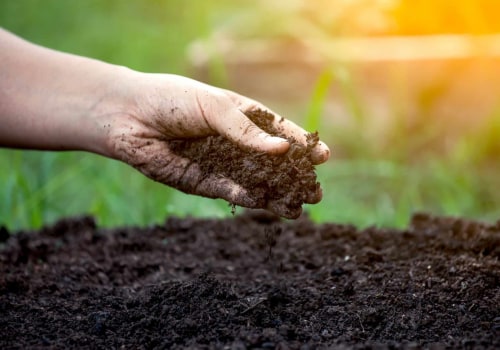
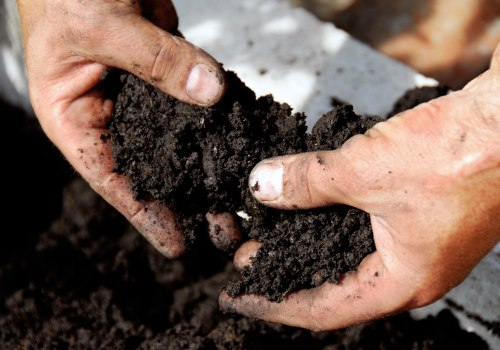
Soil fertility is a cornerstone of sustainable agriculture and a vital component of ecosystem health. It refers to the ability of soil to provide essential nutrients to plants, which in turn supports the entire food web, from microorganisms to large mammals. Healthy soil is not just a medium for plant growth; it is a dynamic ecosystem that plays a crucial role in water retention, nutrient cycling, and carbon storage. Understanding the importance of soil fertility is essential for anyone involved in agriculture, gardening, or environmental conservation. The benefits of maintaining healthy soil extend beyond mere crop yields.
Fertile soil enhances biodiversity, promotes resilience against pests and diseases, and improves the overall quality of food produced. When soil is rich in organic matter, it fosters a thriving community of beneficial organisms that contribute to nutrient availability and soil structure. This intricate relationship between soil health and agricultural productivity underscores the need for practices that enhance soil fertility improvement.As we delve deeper into the role of organic matter in enhancing soil fertility, it becomes clear that this natural resource is indispensable for achieving long-term agricultural sustainability. By enriching our understanding of how organic matter interacts with soil properties, we can implement effective strategies that not only boost crop production but also protect our environment for future generations.
What is Organic Matter?
Organic matter
refers to the decomposed remains of plants and animals, as well as the substances produced by soil microorganisms.
It plays a crucial role in soil fertility improvement by enhancing soil structure, water retention, and nutrient availability.
Types of Organic Matter
- Plant Residues: These include leaves, stems, and roots that decompose over time, enriching the soil with essential nutrients.
- Animal Manure: This type of organic matter is derived from livestock and can significantly boost soil fertility due to its high nutrient content.
- Compost: A mixture of decomposed organic materials, compost is a valuable resource for improving soil health and fertility.
Sources of Organic Matter
The sources of organic matter are diverse and can be categorized into natural and human-induced sources:- Natural Sources: These include fallen leaves, dead plants, and animal remains that naturally contribute to the organic content of the soil.
- Agricultural Practices: Farmers can enhance organic matter levels through practices such as cover cropping, crop rotation, and the application of compost or manure.
- Urban Waste: Yard waste and food scraps can be composted to create organic matter that benefits garden soils.
How Organic Matter Enhances Soil Fertility
Organic matter plays a crucial role in soil fertility improvement by enhancing various physical, chemical, and biological properties of the soil. Its benefits are multifaceted, contributing to a healthier and more productive soil ecosystem.Nutrient Retention
One of the primary ways organic matter improves soil fertility is through its ability to retain nutrients. Organic matter acts like a sponge, holding onto essential nutrients such as nitrogen, phosphorus, and potassium.This retention prevents leaching, ensuring that these vital elements remain available for plant uptake. As organic matter decomposes, it releases nutrients slowly, providing a steady supply that supports plant growth over time.
Moisture Retention
In addition to nutrient retention, organic matter significantly enhances the soil's capacity to retain moisture. Soils rich in organic matter can hold more water, reducing the need for frequent irrigation and helping plants withstand periods of drought. This moisture retention is particularly beneficial in regions prone to dry spells, as it promotes healthier root systems and overall plant vigor.Microbial Activity
The presence of organic matter fosters a thriving community of soil microorganisms.These microbes play a vital role in breaking down organic materials, which not only recycles nutrients but also improves soil structure. Healthy microbial activity enhances soil health, leading to increased aeration and improved drainage. Furthermore, certain beneficial microbes can help suppress soil-borne diseases, contributing to a more resilient agricultural system.
Soil Structure Improvement
Organic matter also contributes to the formation of soil aggregates, which improves soil structure. Well-structured soils have better aeration and drainage properties, allowing roots to penetrate more easily and access nutrients.This structural improvement is essential for promoting healthy plant growth and maximizing crop yields.In summary, the role of organic matter in soil fertility improvement cannot be overstated. By enhancing nutrient and moisture retention, promoting microbial activity, and improving soil structure, organic matter serves as a cornerstone for sustainable agriculture and healthy ecosystems.
The Role of Microorganisms in Soil Fertility Improvement
Microorganisms play a crucial role in soil fertility improvement by enhancing nutrient availability and promoting healthy soil structure. These tiny organisms, including bacteria, fungi, and protozoa, form a complex soil microbiome that interacts with organic matter to facilitate essential processes.Nutrient Cycling
- Bacteria decompose organic matter, breaking it down into simpler compounds that plants can readily absorb. This process releases vital nutrients such as nitrogen, phosphorus, and potassium back into the soil.
- Fungi, particularly mycorrhizal fungi, form symbiotic relationships with plant roots.
They extend the root system's reach, allowing plants to access nutrients and water more efficiently.
- Protozoa feed on bacteria and other microorganisms, releasing nutrients in forms that are more accessible to plants. This predation helps regulate microbial populations and maintains a balanced ecosystem.
Soil Structure and Health
The presence of organic matter enhances the habitat for these microorganisms. As organic matter decomposes, it improves soil structure by increasing porosity and water retention. This not only supports microbial life but also promotes root growth and overall plant health.Moreover, a diverse microbial community contributes to soil resilience against diseases and environmental stressors.
Healthy soils rich in organic matter and active microorganisms can better withstand droughts and floods, ensuring sustainable agricultural practices.In summary, the interplay between organic matter and microorganisms is vital for soil fertility improvement. By fostering a thriving microbial community, we can enhance nutrient cycling, improve soil structure, and ultimately support robust plant growth.
Organic Matter and Soil Structure
Organic matter plays a pivotal role in soil fertility improvement by significantly enhancing soil structure. The presence of organic matter, such as decomposed plant and animal residues, contributes to the formation of stable aggregates in the soil. These aggregates are essential for creating a well-structured soil environment that promotes healthy plant growth.Soil aggregation
refers to the clumping together of soil particles, which is crucial for maintaining soil porosity and aeration.When organic matter is incorporated into the soil, it acts as a binding agent, helping to hold soil particles together. This process not only improves the physical structure of the soil but also enhances its ability to retain moisture and nutrients.Moreover, improved soil structure facilitates better water infiltration and drainage. Well-aggregated soils allow water to percolate through more efficiently, reducing runoff and erosion while ensuring that plants have access to the moisture they need. This is particularly important in regions prone to heavy rainfall or drought, where water management is critical for crop success.Additionally, a well-structured soil environment supports root development.
Healthy roots require adequate space to grow and access nutrients; thus, improved soil aggregation allows roots to penetrate deeper into the soil profile. This not only enhances nutrient uptake but also increases the resilience of plants against environmental stresses.In summary, the impact of organic matter on soil structure is profound. By promoting soil aggregation, organic matter enhances water infiltration, nutrient retention, and root development—all vital components of effective soil fertility improvement.
Practical Applications of Organic Matter in Agriculture
Incorporating organic matter into agricultural practices is essential for enhancing soil fertility improvement. Farmers can adopt several practical methods to effectively utilize organic matter, including composting and cover cropping.Composting Practices
Composting is a straightforward yet powerful way to recycle organic waste into nutrient-rich soil amendments.Here are some key steps to implement effective composting:
- Choose the Right Materials: Use a mix of green materials (like grass clippings and vegetable scraps) and brown materials (such as dried leaves and straw) to create a balanced compost pile.
- Maintain Proper Moisture: Keep the compost pile moist but not soggy. A good rule of thumb is to aim for a moisture level similar to that of a wrung-out sponge.
- Aerate Regularly: Turn the compost every few weeks to introduce oxygen, which speeds up the decomposition process and prevents odors.
- Monitor Temperature: A well-maintained compost pile should reach temperatures between 130°F and 160°F, which helps kill pathogens and weed seeds.
Cover Crops for Soil Fertility
Another effective method for improving soil fertility is the use of cover crops. These crops are planted during off-seasons to protect and enrich the soil. Here’s how they contribute:- Nitrogen Fixation: Leguminous cover crops, such as clover and vetch, can fix atmospheric nitrogen, enriching the soil with this essential nutrient.
- Soil Structure Improvement: The roots of cover crops help break up compacted soil, enhancing aeration and water infiltration.
- Erosion Control: Cover crops protect the soil surface from erosion caused by wind and water, maintaining soil integrity.
- Weed Suppression: By covering the ground, these crops can outcompete weeds for resources, reducing the need for herbicides.
Challenges and Considerations in Using Organic Matter
While the incorporation of organic matter is essential for soil fertility improvement, several challenges and considerations must be addressed to maximize its benefits.Understanding these limitations can help farmers and land managers make informed decisions about their soil management practices.
Challenges with Organic Matter
One of the primary challenges in using organic matter is the variability in quality. Different sources of organic amendments, such as compost, manure, or cover crops, can vary significantly in nutrient content and decomposition rates. This variability can lead to inconsistent results in soil fertility improvement.Another challenge is the potential for nutrient immobilization. When organic matter is added to the soil, microorganisms break it down, which can temporarily tie up nutrients like nitrogen.This process may lead to a short-term decrease in nutrient availability for plants, particularly if organic matter is applied in large quantities without adequate management.
Limitations of Organic Amendments
- Slow Release of Nutrients: Unlike synthetic fertilizers, nutrients from organic matter are released slowly as it decomposes. This slow release can be a limitation for crops that require immediate nutrient availability.
- Volume and Labor: The application of organic amendments often requires significant labor and equipment, especially when dealing with large volumes. This can be a barrier for some farmers.
- Pest and Disease Introduction: Improperly processed organic materials may introduce pests or diseases into the soil, potentially harming crops.
Best Practices for Application
To overcome these challenges, implementing best practices for the application of organic matter is crucial:- Testing Soil: Conduct regular soil tests to determine nutrient levels and pH, which will guide the appropriate type and amount of organic matter needed.
- Composting: Properly composting organic materials before application can enhance nutrient availability and reduce pathogens.
- Timing: Apply organic amendments at times that align with crop nutrient needs, such as before planting or during active growth periods.
- Diversification: Use a mix of different organic materials to balance nutrient release rates and improve overall soil health.
FAQs About Organic Matter and Soil Fertility Improvement
Understanding the role of organic matter in soil fertility improvement often raises several questions. Here are some frequently asked questions that clarify common misconceptions:What is organic matter?
Organic matter refers to the decomposed remains of plants and animals, as well as microbial biomass.It plays a crucial role in enhancing soil fertility by improving soil structure, water retention, and nutrient availability.
How does organic matter improve soil fertility?
Organic matter contributes to soil fertility improvement in several ways:- Nutrient Supply: It releases essential nutrients like nitrogen, phosphorus, and potassium as it decomposes.
- Soil Structure: Organic matter helps bind soil particles together, creating aggregates that improve aeration and drainage.
- Water Retention: It increases the soil's ability to hold water, making it more resilient during dry periods.
Can synthetic fertilizers replace organic matter?
While synthetic fertilizers can provide immediate nutrients, they do not enhance soil structure or improve long-term soil health like organic matter does. Over-reliance on synthetic options can lead to nutrient leaching and soil degradation.Is all organic matter beneficial for soil fertility?
Not all organic materials are equally beneficial. For instance, some materials may decompose too quickly or introduce pathogens. It's essential to choose high-quality organic amendments, such as compost or well-rotted manure, for effective soil fertility improvement.How often should I add organic matter to my soil?
The frequency of adding organic matter depends on your soil type and crop needs.Generally, incorporating organic amendments annually or biannually can significantly enhance soil fertility.By addressing these common questions, we can better appreciate the vital role of organic matter in promoting sustainable agricultural practices and improving overall soil fertility.
Conclusion: The Essential Role of Organic Matter in Soil Fertility Improvement
In summary, the role of organic matter in soil fertility improvement cannot be overstated. Throughout this article, we have explored how organic matter serves as a cornerstone for enhancing soil health and productivity. Its multifaceted benefits contribute significantly to sustainable agricultural practices and environmental stewardship.Key Benefits of Organic Matter:
- Nutrient Supply: Organic matter is a reservoir of essential nutrients that are gradually released into the soil, making them available for plant uptake.
- Soil Structure Improvement: The addition of organic matter enhances soil structure, promoting better aeration and water infiltration, which are crucial for root development.
- Microbial Activity: Organic matter fosters a diverse microbial community that plays a vital role in nutrient cycling and organic matter decomposition.
- Water Retention: Soils rich in organic matter have improved moisture retention capabilities, reducing the need for frequent irrigation.
By investing in practices that enhance organic content, we can ensure healthier soils, more productive crops, and a sustainable future for generations to come.