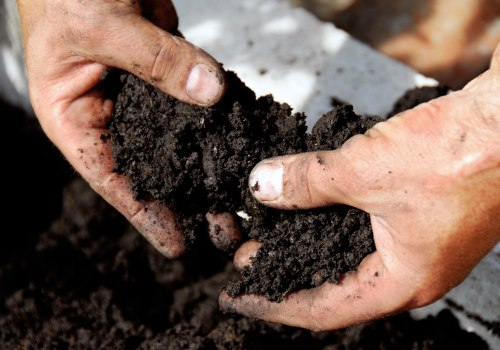
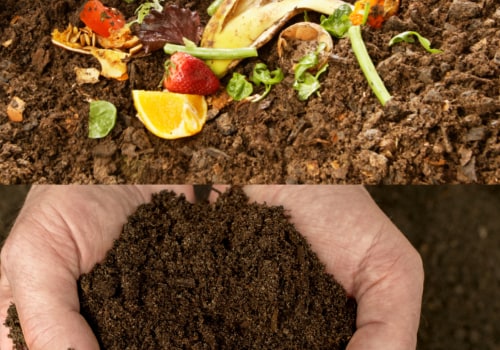
Soil fertility is a critical aspect of agricultural productivity, referring to the ability of soil to provide essential nutrients to plants. It encompasses a variety of factors, including the presence of organic matter, nutrient availability, and the overall health of the soil ecosystem. Understanding soil fertility is vital for farmers and agricultural scientists alike, as it directly influences crop yields and sustainability. Healthy soil not only supports plant growth but also plays a significant role in water retention and erosion control, making it an indispensable resource in food production. The importance of soil fertility cannot be overstated.
Fertile soil acts as a reservoir of nutrients that crops need to thrive, such as nitrogen, phosphorus, and potassium. When soil fertility is compromised, it can lead to reduced crop yields and increased reliance on chemical fertilizers, which may have detrimental effects on the environment. Therefore, maintaining and improving soil fertility is essential for sustainable agriculture and food security. Several factors affect soil fertility, including soil texture, pH levels, organic matter content, and microbial activity. Additionally, human practices such as crop rotation, cover cropping, and the use of genetically modified (GM) crops can significantly influence these factors.
As we delve deeper into the impact of genetically modified crops on soil fertility improvement, it is crucial to consider how these innovations may alter the natural balance of soil ecosystems and contribute to long-term agricultural sustainability.
Genetically Modified Crops: An Overview
Genetically modified crops (GM crops) are plants whose genetic material has been altered using biotechnology to achieve desired traits. This technology allows for the introduction of new characteristics that can enhance crop yield, resistance to pests, and tolerance to environmental stresses. Understanding GM crops is essential for evaluating their potential impact on soil fertility improvement.One of the primary benefits of GM crops is their ability to reduce the need for chemical pesticides and fertilizers. By engineering crops to be resistant to specific pests or diseases, farmers can minimize chemical applications, which can lead to healthier soil ecosystems.Additionally, some GM crops are designed to utilize nutrients more efficiently, potentially reducing the overall fertilizer input required.
Types of Genetically Modified Crops
- Herbicide-tolerant crops: These crops are engineered to withstand specific herbicides, allowing farmers to control weeds without harming the crop itself.
- Pest-resistant crops: These varieties produce their own insecticides or have traits that deter pests, reducing the reliance on external pest control measures.
- Nutrient-enhanced crops: Some GM crops are modified to contain higher levels of essential nutrients, which can improve food quality and contribute to better health outcomes.
The Relationship Between GM Crops and Soil Health
The impact of genetically modified (GM) crops on soil health is a critical area of study, particularly as it relates to soil fertility improvement.Understanding how these crops interact with soil organisms and the microbiome can provide insights into their long-term effects on agricultural ecosystems.
Interactions with Soil Organisms
- GM crops are designed to be resistant to pests and diseases, which can lead to a reduction in the use of chemical pesticides. This reduction can have a positive effect on beneficial soil organisms, such as earthworms and beneficial bacteria, which play essential roles in nutrient cycling and soil structure.
- However, some studies suggest that the introduction of GM crops may alter the composition of soil microbial communities. For instance, certain GM crops may produce proteins that can affect non-target organisms, potentially disrupting the natural balance of soil life.
The Soil Microbiome and GM Crops
The soil microbiome is a complex community of microorganisms that contribute significantly to soil health and fertility. Research indicates that GM crops can influence the diversity and function of these microbial communities:
- Some GM crops have been shown to enhance microbial diversity, which is beneficial for soil fertility improvement.
A diverse microbiome can improve nutrient availability and enhance plant growth.
- Conversely, other studies have reported a decrease in microbial diversity in soils planted with certain GM varieties, raising concerns about potential long-term impacts on soil health.
Soil Fertility Improvement Through GM Crop Practices
The integration of genetically modified (GM) crops into agricultural practices has shown promising potential for soil fertility improvement. By employing specific nutrient management strategies, farmers can enhance soil health while maximizing crop yields.GM crops
are often engineered to be more resilient to pests and diseases, which can reduce the need for chemical fertilizers and pesticides. This reduction not only minimizes chemical runoff but also helps maintain the natural microbial balance in the soil, fostering a healthier ecosystem.Nutrient Management with GM Crops
One of the key practices associated with GM crops is the ability to optimize nutrient management.For instance, certain GM varieties are designed to utilize nutrients more efficiently. This efficiency can lead to:
- Reduced fertilizer application: Farmers can apply fewer synthetic fertilizers, which decreases the risk of nutrient leaching into waterways.
- Enhanced nutrient uptake: Crops that are genetically modified to have deeper root systems can access nutrients from lower soil layers, improving overall soil structure and fertility.
Sustainable Agriculture Practices
Incorporating GM crops into sustainable agriculture practices is another avenue for improving soil fertility. Techniques such as no-till farming, which minimizes soil disturbance, can be effectively paired with GM crop cultivation.This method helps preserve soil structure and moisture while promoting biodiversity in the soil ecosystem.Additionally, precision agriculture technologies can be utilized alongside GM crops to monitor soil health and nutrient levels accurately. By applying inputs only where needed, farmers can enhance soil fertility while reducing waste and environmental impact.In conclusion, the adoption of GM crops presents various opportunities for soil fertility improvement. Through effective nutrient management and sustainable agricultural practices, farmers can cultivate healthier soils that support both crop productivity and environmental sustainability.
Potential Risks and Concerns Regarding Soil Fertility
The introduction of genetically modified (GM) crops has sparked significant debate regarding their impact on soil fertility. While proponents argue that these crops can enhance agricultural productivity, there are several potential risks and concerns that warrant careful consideration.Risks of GM Crops on Soil Fertility One of the primary concerns is the potential for GM crops to disrupt the natural soil ecosystem.The introduction of specific traits, such as herbicide resistance, may lead to a reliance on chemical inputs that can alter soil microbial communities. This disruption can affect nutrient cycling and ultimately impact soil fertility improvement.Environmental Concerns of GM Crops Moreover, the use of GM crops may contribute to the development of herbicide-resistant weeds. As farmers increasingly rely on herbicides to manage these resistant species, there is a risk of creating a cycle that necessitates even more potent chemicals, further degrading soil health. This cycle not only threatens soil fertility but also poses broader environmental risks, including water contamination and loss of biodiversity.Long-Term Effects of GM Crops on Soil The long-term effects of GM crops on soil health remain largely unknown.
Studies have shown mixed results regarding their impact on soil organic matter and microbial diversity. Some research indicates that certain GM crops may lead to a decline in beneficial soil organisms, which play a crucial role in maintaining soil fertility. Without these organisms, soils may become less resilient and more susceptible to erosion and nutrient depletion. In conclusion, while genetically modified crops offer potential benefits in terms of yield and pest resistance, it is essential to weigh these advantages against the possible risks to soil fertility improvement. Ongoing research and monitoring are critical to understanding the full implications of GM crop usage on soil health and sustainability.
Case Studies: Success Stories and Failures
Understanding the impact of genetically modified (GM) crops on soil fertility improvement requires examining real-world case studies that showcase both successes and failures.These examples provide valuable insights into how GM technology can influence agricultural practices and soil health.
Success Stories
- Bt Cotton in India: One of the most notable success stories is the introduction of Bt cotton in India. Farmers reported increased yields and reduced pesticide use, which contributed to improved soil health. The reduction in chemical inputs allowed for a more balanced ecosystem, enhancing soil fertility over time.
- Herbicide-Tolerant Soybeans in the United States: The adoption of herbicide-tolerant soybeans has enabled farmers to implement conservation tillage practices. This method helps maintain soil structure and organic matter, leading to significant soil fertility improvement.
Studies have shown that these practices can enhance microbial activity and nutrient cycling in the soil.
Failures and Challenges
- Monoculture Practices: In some regions, the reliance on GM crops has led to monoculture farming, which can deplete soil nutrients and reduce biodiversity. For instance, continuous planting of GM corn without crop rotation has been linked to declining soil fertility in certain areas of the Midwest.
- Pest Resistance: Another challenge arises from the development of pest resistance to Bt crops. As pests adapt, farmers may resort to increased pesticide applications, which can negatively impact soil health and fertility improvement. This cycle can lead to a reliance on chemical inputs that ultimately harm the soil ecosystem.
Balancing technological advancements with sustainable agricultural practices is crucial for achieving long-term benefits for soil health.
Future Perspectives on GM Crops and Soil Fertility Improvement
The future of genetically modified (GM) crops holds significant promise for enhancing soil fertility improvement. As agricultural practices evolve, innovations in biotechnology are paving the way for crops that not only yield more but also contribute positively to soil health.One of the most exciting trends is the development of GM crops that are engineered to enhance nutrient cycling in the soil. For instance, certain genetically modified varieties can increase the availability of essential nutrients like nitrogen and phosphorus, which are crucial for plant growth. This can lead to reduced reliance on chemical fertilizers, thereby minimizing environmental impact.Innovations in Soil Fertility
- Microbial Enhancements: Future GM crops may be designed to promote beneficial soil microbes that enhance nutrient uptake and improve soil structure.
- Root Architecture: Advances in genetic engineering could lead to crops with deeper and more extensive root systems, which can access nutrients from lower soil layers and improve overall soil health.
- Cover Crops: Integrating GM cover crops that fix nitrogen or suppress weeds can further enhance soil fertility while providing additional benefits such as erosion control.
By utilizing data analytics and remote sensing, farmers can apply inputs more efficiently, ensuring that soil fertility is maintained without over-application of fertilizers.As we look ahead, the trend towards sustainable agriculture will likely drive further research into genetically modified agriculture. The focus will be on developing crops that not only meet food production needs but also contribute to long-term soil health. This dual approach could redefine agricultural practices, making them more sustainable and environmentally friendly.In conclusion, the future of GM crops in relation to soil fertility improvement is bright. With ongoing innovations and a commitment to sustainability, these advancements could play a pivotal role in addressing global food security while preserving our vital soil resources.
Frequently Asked Questions (FAQs)
As the debate around genetically modified (GM) crops continues, many people have questions about their impact on soil fertility improvement.Here are some frequently asked questions that can help clarify common misconceptions:
1.Do GM crops harm soil health?
Research indicates that GM crops do not inherently harm soil health. In fact, many studies suggest that they can contribute to soil fertility improvement by reducing the need for chemical fertilizers. For instance, certain GM crops are engineered to be more efficient in nutrient uptake, which can lead to healthier soil ecosystems.2.Can GM crops enhance soil microbial activity?
Yes, some GM crops have been shown to enhance microbial activity in the soil. The introduction of specific traits can promote beneficial microorganisms, which play a crucial role in nutrient cycling and overall soil health.This can lead to improved soil fertility over time.
3.Are there any long-term effects of GM crops on soil fertility?
The long-term effects of GM crops on soil fertility improvement are still being studied. However, preliminary findings suggest that when managed properly, GM crops can maintain or even enhance soil quality by promoting sustainable agricultural practices.4.What about pesticide use with GM crops?
One common misconception is that GM crops require more pesticides, which could negatively impact soil health. In reality, many GM crops are designed to be resistant to pests, leading to a reduction in pesticide use. This decrease can benefit the soil by minimizing chemical runoff and preserving beneficial organisms.5.How do cover crops relate to GM agriculture?
Integrating cover crops with GM agriculture can significantly boost soil fertility improvement.Cover crops help prevent erosion, improve organic matter content, and enhance nutrient availability in the soil. When used alongside GM technology, they can create a more sustainable farming system.In conclusion, while there are valid concerns regarding the use of genetically modified crops, many studies support their potential benefits for soil fertility. Understanding these aspects can help dispel myths and promote informed discussions about the future of agriculture.