Soil fertility is a critical component of agricultural productivity and ecosystem health. It refers to the ability of soil to provide essential nutrients to plants, supporting their growth and development. However, this vital resource is under constant threat from various environmental factors, with erosion being one of the most significant. Erosion not only strips away the topsoil, which is rich in organic matter and nutrients, but it also disrupts the delicate balance of soil health, leading to long-term consequences for both agriculture and natural ecosystems. The effects of erosion on soil fertility are profound and multifaceted.
As soil is eroded, the nutrient-rich layers are often lost, leaving behind a depleted substrate that struggles to support plant life. This degradation can result in reduced crop yields, increased reliance on chemical fertilizers, and a decline in overall soil health. Furthermore, the loss of topsoil can lead to increased runoff and sedimentation in waterways, further exacerbating environmental issues such as water quality degradation and habitat loss. Understanding the relationship between soil fertility improvement and erosion is essential for developing effective land management practices. By recognizing how erosion impacts soil health, farmers and landowners can implement strategies to mitigate its effects, such as cover cropping, contour plowing, and reforestation.
These practices not only help preserve soil integrity but also enhance its fertility over time, creating a sustainable cycle that benefits both agriculture and the environment.
What is Soil Fertility?
Soil fertility refers to the ability of soil to provide essential nutrients to plants, enabling them to grow and thrive. It is a critical component of agricultural productivity and ecosystem health. Fertile soil contains a balanced mix of nutrients, including nitrogen, phosphorus, potassium, and various micronutrients, which are vital for plant development.The importance of soil fertility cannot be overstated. Healthy soil supports robust plant growth, which in turn sustains livestock and human populations.Additionally, fertile soil plays a crucial role in maintaining biodiversity, regulating water cycles, and sequestering carbon, thus contributing to climate change mitigation.
Factors Affecting Soil Fertility
- Soil Composition: The mineral content and organic matter in the soil significantly influence its fertility. Soils rich in organic matter tend to retain moisture and nutrients better than sandy or clayey soils.
- pH Levels: The acidity or alkalinity of the soil affects nutrient availability. Most crops thrive in slightly acidic to neutral pH levels (6.0-7.0).
- Microbial Activity: Soil microorganisms play a vital role in nutrient cycling. Healthy microbial communities enhance nutrient availability and improve soil structure.
- Water Availability: Adequate moisture is essential for nutrient uptake by plants.
Drought conditions can severely limit soil fertility.
Understanding Erosion: Types and Causes
Erosion is a natural process that involves the removal of soil and rock from one location and their transportation to another. Understanding the different types of erosion and their causes is essential for grasping how they impact soil fertility improvement.Types of Erosion
- Water Erosion: This is the most common type, occurring when rainfall or surface runoff washes away soil.
It can be further categorized into:
- Sheet Erosion: A thin layer of soil is removed uniformly across a large area.
- Rill Erosion: Small channels form on the surface as water concentrates in specific areas.
- Gully Erosion: Larger, deeper channels develop, often leading to significant loss of soil.
- Wind Erosion: This occurs in arid and semi-arid regions where strong winds can lift and carry away loose, dry soil particles. It often leads to the formation of dust storms and can severely degrade land quality.
- Glacial Erosion: Glaciers can scrape away soil and rock as they move, transporting materials over long distances.
Causes of Erosion
The primary causes of erosion include:- Natural Factors: Weather events such as heavy rainfall, snowmelt, and high winds can initiate erosion processes.
- Human Activities: Deforestation, agriculture, and urban development disturb the soil structure, making it more susceptible to erosion. Practices like overgrazing and improper land management exacerbate these effects.
- Soil Composition: Soils with low organic matter or poor structure are more prone to erosion. Healthy soils rich in nutrients are better at resisting erosive forces.
By addressing both natural and anthropogenic factors contributing to erosion, we can enhance soil health and productivity.
The Relationship Between Erosion and Soil Fertility
Erosion is a natural process that can have significant consequences for soil fertility improvement. When soil is eroded, particularly the topsoil layer, it leads to the loss of essential nutrients that are vital for plant growth. This top layer is rich in organic matter and microorganisms, both of which play a crucial role in maintaining soil health.Impact of Erosion on Nutrients
- Nutrient Depletion: Erosion removes not only the soil but also the nutrients contained within it, such as nitrogen, phosphorus, and potassium. These nutrients are critical for crop development and overall agricultural productivity.
- Reduced Organic Matter: The loss of topsoil also means a reduction in organic matter, which is essential for improving soil structure and water retention.
Without adequate organic matter, soils become less fertile and more prone to drought.
- Altered Soil pH: Erosion can lead to changes in soil pH levels, making it more acidic or alkaline. This alteration can further affect nutrient availability, as certain nutrients become less accessible to plants under varying pH conditions.
Techniques such as cover cropping, contour farming, and the use of organic amendments can help mitigate erosion and promote soil fertility improvement. By protecting the topsoil and enhancing nutrient retention, these practices not only preserve agricultural productivity but also contribute to environmental sustainability.
Indicators of Soil Fertility Loss Due to Erosion
Understanding the indicators of soil fertility loss due to erosion is crucial for effective land management. Farmers and land managers must be vigilant in recognizing these signs to implement timely interventions that can enhance soil fertility improvement.- Reduced Crop Yields: One of the most immediate indicators of soil fertility loss is a noticeable decline in crop yields. Erosion often removes the nutrient-rich topsoil, leading to poor plant growth.
- Changes in Soil Texture: Erosion can alter the soil's texture, making it coarser and less capable of retaining moisture and nutrients.
A shift from loamy to sandy soil can indicate significant erosion.
- Increased Weed Growth: Weeds often thrive in nutrient-depleted soils. An uptick in weed populations may signal that the soil has lost its fertility due to erosion.
- Soil Color Changes: Healthy soils typically have a dark, rich color due to organic matter content. A lighter color may indicate a loss of organic material, often a result of erosion.
- Poor Soil Structure: Erosion can lead to compaction and a breakdown of soil aggregates, resulting in poor drainage and aeration, which are vital for healthy root development.
- Soil Testing: Regular soil tests can provide insights into nutrient levels, pH balance, and organic matter content, helping identify fertility issues.
- Visual Assessments: Observing changes in vegetation and soil appearance can offer immediate clues about erosion impacts.
- Monitoring Erosion Rates: Keeping track of erosion through physical measurements or using technology like drones can help assess the extent of soil loss over time.
Strategies for Soil Fertility Improvement in Eroded Areas
Improving soil fertility in areas affected by erosion requires a multifaceted approach that combines various soil fertility improvement techniques and sustainable practices. Here are some effective strategies:- Cover Cropping: Planting cover crops such as clover or rye during off-seasons can help protect the soil from erosion.
These plants not only stabilize the soil but also enhance its nutrient content through organic matter addition.
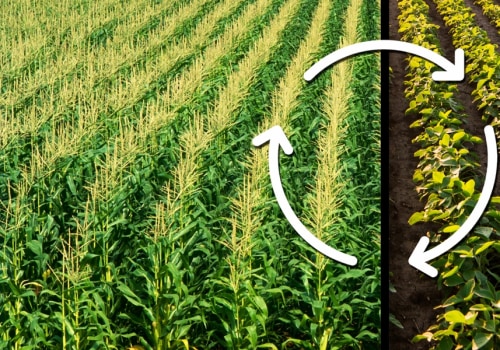
- Crop Rotation: Implementing a diverse crop rotation system can improve soil structure and fertility. Different crops contribute various nutrients back to the soil, reducing the risk of nutrient depletion.
- Conservation Tillage: Reducing tillage minimizes soil disturbance, which helps maintain soil structure and moisture. This practice can significantly reduce erosion while promoting the buildup of organic matter.
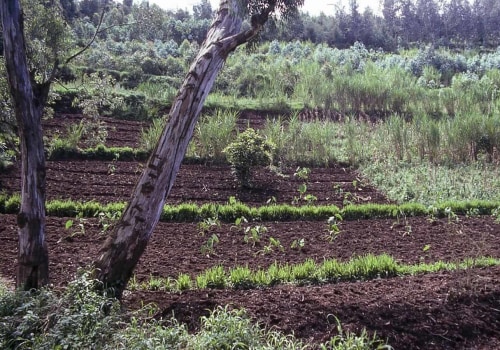
- Terracing: In sloped areas, constructing terraces can slow down water runoff and reduce soil loss. This method allows for better water retention and creates flat areas for planting.
- Mulching: Applying organic or inorganic mulch can protect the soil surface from erosion caused by wind and water.
Mulch also helps retain moisture and adds nutrients as it decomposes.
Case Studies: Successful Soil Fertility Improvement After Erosion
Understanding the impact of erosion on soil fertility is crucial for developing effective restoration strategies. Here are some compelling case studies that highlight successful soil fertility improvement following erosion:1.The Loess Plateau, China
The Loess Plateau has faced severe soil erosion due to deforestation and overgrazing.In the late 1990s, a large-scale restoration project was initiated, focusing on soil fertility improvement through reforestation and sustainable agricultural practices. By implementing terracing, planting cover crops, and using organic fertilizers, the region saw a remarkable recovery. Soil organic matter increased by over 30%, leading to enhanced crop yields and improved local livelihoods.
2.The Great Plains, USA
In the Great Plains, farmers have adopted no-till farming methods to combat soil erosion and enhance soil fertility. This approach minimizes soil disturbance, allowing organic matter to accumulate and improve nutrient availability.A study conducted in Nebraska showed that fields using no-till practices had 25% higher soil organic carbon levels compared to conventionally tilled fields. This not only improved soil health but also increased resilience against drought.
3.The Tigray Region, Ethiopia
The Tigray region has implemented a community-based approach to combat soil erosion through the construction of stone bunds and planting of indigenous trees. These interventions have significantly reduced runoff and soil loss while enhancing soil fertility. Reports indicate that crop yields have doubled in areas where these practices were adopted, showcasing the effectiveness of local engagement in restoration efforts.These case studies illustrate that with targeted interventions and community involvement, it is possible to restore soil fertility after erosion.They serve as valuable examples for other regions facing similar challenges, demonstrating that sustainable practices can lead to long-term agricultural success.
Frequently Asked Questions About Erosion and Soil Fertility
Understanding the relationship between erosion and soil fertility improvement is crucial for sustainable agriculture. Here are some frequently asked questions that can help clarify this topic:- What is soil erosion? Soil erosion is the process by which the top layer of soil is removed due to factors like water, wind, and human activity. This top layer is often the most fertile part of the soil, rich in nutrients necessary for plant growth.
- How does erosion impact soil fertility? Erosion can significantly reduce soil fertility by depleting essential nutrients and organic matter. When the topsoil is washed or blown away, the remaining soil may lack the necessary components to support healthy plant life.
- Can soil fertility be improved after erosion? Yes, while erosion can lead to a decline in soil fertility, there are methods to restore it.
Practices such as crop rotation, cover cropping, and the addition of organic matter can help rebuild nutrient levels and improve soil structure.
- What are common myths about erosion? One common myth is that erosion only affects rural areas. In reality, urban development and poor land management practices can also lead to significant erosion issues. Another myth is that all types of erosion are harmful; some natural erosion processes can contribute to soil formation over time.
Conclusion: The Importance of Addressing Erosion for Soil Fertility Improvement
In conclusion, understanding the intricate relationship between erosion and soil fertility improvement is crucial for sustainable land management. Erosion not only depletes the topsoil, which is rich in nutrients, but also disrupts the delicate balance of soil ecosystems.As we have discussed, the loss of this vital layer can lead to significant declines in agricultural productivity and biodiversity.To effectively combat erosion and enhance soil fertility, it is essential to implement a combination of strategies:
- Conservation Tillage: Reducing tillage can help maintain soil structure and prevent erosion.
- Cover Cropping: Planting cover crops during off-seasons protects the soil from erosion while adding organic matter.
- Contour Farming: This technique involves plowing along the contours of the land, which can significantly reduce runoff.
- Buffer Strips: Establishing vegetative buffer strips along waterways can trap sediment and improve water quality.