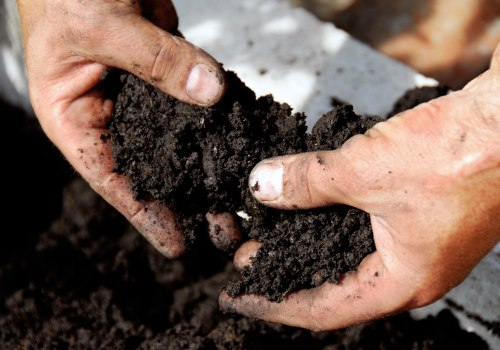
Crop rotation is a time-honored agricultural practice that involves alternating the types of crops grown in a particular area across seasons or years. This method is not merely a strategy for managing crop yields; it plays a crucial role in enhancing soil fertility and controlling pests and diseases. By diversifying the crops planted, farmers can disrupt the life cycles of pests and pathogens that thrive on specific plants, thereby reducing their prevalence and impact. The benefits of crop rotation extend beyond pest management. Different crops have varying nutrient requirements and root structures, which means that rotating them can lead to improved soil structure and nutrient availability.
For instance, legumes, such as beans and peas, have the unique ability to fix nitrogen in the soil, enriching it for subsequent crops. This natural process contributes significantly to soil fertility improvement, reducing the need for synthetic fertilizers and promoting sustainable farming practices. Moreover, crop rotation can enhance biodiversity within agricultural systems. By planting a variety of crops, farmers can create a more resilient ecosystem that supports beneficial insects and microorganisms. This biodiversity not only aids in pest control but also fosters healthier soil, which is essential for long-term agricultural productivity.
Understanding the principles of crop rotation is vital for any farmer looking to optimize their land's potential while minimizing environmental impact.
The Relationship Between Crop Rotation and Soil Fertility
Crop rotation is a powerful agricultural practice that significantly contributes to soil fertility improvement. By alternating the types of crops grown in a specific area over time, farmers can enhance the nutrient profile of the soil, promote biodiversity, and reduce the prevalence of pests and diseases.Nutrient Cycling
- Different crops have varying nutrient requirements and uptake patterns. For instance, legumes such as beans and peas can fix atmospheric nitrogen into the soil, enriching it for subsequent crops that require higher nitrogen levels.
- By rotating crops, farmers can ensure that nutrients are replenished naturally, reducing the need for synthetic fertilizers and promoting a healthier soil ecosystem.
Organic Matter Enhancement
- Incorporating cover crops or green manures into a rotation can significantly increase organic matter in the soil. These plants not only add nutrients when decomposed but also improve soil structure and water retention.
- As organic matter increases, so does microbial activity, which plays a crucial role in breaking down organic materials and making nutrients available to plants.
Reduced Soil Erosion
- Crop rotation helps maintain ground cover throughout the year, which is essential for preventing soil erosion.
Different root structures from various crops can stabilize the soil better than monoculture systems.
- This stability not only protects against erosion but also enhances water infiltration and retention, further contributing to soil fertility improvement.
Pest and Disease Management Through Crop Rotation
Crop rotation is a powerful strategy for pest control and disease management, as it disrupts the life cycles of harmful organisms that thrive on specific crops. By alternating the types of crops grown in a particular field, farmers can significantly reduce the prevalence of pests and diseases that target those crops.For instance, planting legumes such as beans or peas in place of a cereal crop can help break the cycle of pests like root maggots and certain fungal diseases that affect grains. Legumes not only improve soil fertility through nitrogen fixation but also create an unfavorable environment for pests that have adapted to previous crops.Effective Crop Rotation Strategies:
- Sequence Planting: Rotate crops in a sequence that includes a mix of families.
For example, follow a brassica crop (like cabbage) with a legume, then a root vegetable (like carrots). This diversity can confuse pests and disrupt their life cycles.
- Timing Adjustments: Planting crops at different times can help avoid peak pest populations. Early planting of certain crops can allow them to mature before pests become active.
- Cover Crops: Incorporating cover crops during off-seasons can suppress weeds and provide habitat for beneficial insects that prey on pests.
This intercropping technique not only aids in disease management but also enhances overall soil fertility.In conclusion, implementing a well-planned crop rotation strategy not only helps in controlling pests and diseases but also contributes to long-term soil fertility improvement. By understanding the relationships between different crops and their associated pests, farmers can create a more resilient agricultural system.
Key Principles of Effective Crop Rotation
Implementing an effective crop rotation plan is essential for enhancing soil fertility improvement while simultaneously managing pests and diseases. Here are some key principles to consider when designing your crop rotation strategy:- Diversity of Crops: Incorporating a variety of crops in your rotation can disrupt the life cycles of pests and pathogens. Different plants attract different beneficial insects and microorganisms, which can help control pest populations naturally.
- Crop Families: Rotate crops from different families to minimize the risk of soil-borne diseases.
For example, if you plant tomatoes (a member of the nightshade family) in one season, follow them with legumes or brassicas in the next. This practice helps break disease cycles and improves soil fertility by adding nitrogen through legumes.
- Soil Nutrient Management: Different crops have varying nutrient requirements. By rotating deep-rooted plants with shallow-rooted ones, you can optimize nutrient uptake from different soil layers. This not only enhances soil fertility improvement but also reduces the need for synthetic fertilizers.
- Timing and Sequence: Plan your crop rotation based on planting and harvesting times.
Early-season crops can be followed by late-season varieties, maximizing land use and minimizing fallow periods. This continuous cropping approach helps maintain soil structure and health.
- Cover Crops: Integrate cover crops into your rotation to protect the soil during off-seasons. Cover crops like clover or rye can prevent erosion, suppress weeds, and enhance organic matter content, contributing to long-term soil fertility improvement.
Case Studies: Successful Crop Rotation Practices
Crop rotation has been a cornerstone of sustainable agriculture, with numerous case studies demonstrating its effectiveness in enhancing soil fertility improvement and managing pests and diseases. Here are some notable examples:- Midwestern United States - Corn and Soybean Rotation: Farmers in the Midwest have successfully implemented a rotation of corn and soybeans.
This practice not only helps in breaking the life cycles of pests such as the corn rootworm but also enhances soil fertility. Soybeans, being legumes, fix nitrogen in the soil, which benefits subsequent corn crops.
- Organic Farms in California - Diverse Crop Rotation: Organic farmers in California have adopted diverse crop rotations that include vegetables, grains, and cover crops. This approach has led to improved soil health, reduced pest populations, and increased biodiversity. For instance, rotating tomatoes with cover crops like clover has shown significant improvements in soil structure and nutrient availability.
- European Agroecological Systems - Wheat and Legumes: In various European countries, farmers have rotated wheat with legumes such as peas and lentils.
This practice not only reduces the need for synthetic fertilizers but also enhances soil fertility by increasing organic matter content. The legumes help suppress weeds and reduce disease incidence, leading to healthier crops.
Challenges and Considerations in Implementing Crop Rotation
Implementing crop rotation can significantly enhance soil fertility improvement, but it is not without its challenges. Farmers must navigate various issues that can arise during the transition from traditional monoculture practices to a more diverse cropping system.- Knowledge and Education: One of the primary challenges is the lack of knowledge about effective crop rotation strategies.
Farmers may need training to understand which crops work best together and how to manage them effectively.
- Initial Costs: Transitioning to crop rotation may involve initial costs for seeds, equipment, and labor. Farmers must weigh these costs against the long-term benefits of improved soil health and reduced pest pressures.
- Market Demand: Some farmers may be hesitant to rotate crops due to market demand for specific crops. They must consider whether they can sell their rotated crops profitably.
- Pest and Disease Management: While crop rotation can help control pests and diseases, it may also introduce new challenges. Farmers need to monitor for pests that may thrive on newly introduced crops.
- Soil Type and Climate: Different soil types and climatic conditions can affect the success of crop rotation.
Farmers should assess their local conditions to determine the most suitable rotation plan.
- Education and Resources: Engaging with agricultural extension services or local universities can provide valuable resources and training on effective crop rotation practices.
- Financial Planning: Developing a financial plan that accounts for initial investments and potential returns can help mitigate concerns about costs.
- Diverse Crop Selection: Choosing a variety of crops that are in demand can help ensure profitability while also enhancing soil fertility improvement.
- Pest Monitoring: Implementing integrated pest management (IPM) strategies can help manage any new pest threats that arise from crop rotation.
Frequently Asked Questions About Crop Rotation and Soil Fertility
What is crop rotation?
Crop rotation is the practice of growing different types of crops in the same area across a sequence of seasons. This method helps to manage soil fertility, control pests and diseases, and reduce soil erosion.
How does crop rotation improve soil fertility?
By alternating crops, farmers can enhance soil fertility improvement through various mechanisms:
- Nutrient Management: Different crops have varying nutrient requirements. For instance, legumes can fix nitrogen in the soil, enriching it for subsequent crops.
- Soil Structure: Diverse root systems from different plants can improve soil structure and aeration, promoting better water infiltration and root growth.
- Organic Matter: Rotating crops that produce significant biomass can increase organic matter in the soil, enhancing its fertility and microbial activity.
Can crop rotation help control pests and diseases?
Yes, crop rotation is an effective strategy for pest and disease management. By changing the types of crops grown in a specific area, farmers can disrupt the life cycles of pests and pathogens that thrive on particular plants.
This reduces their populations and minimizes the need for chemical pesticides.
What are some common questions about soil fertility?
- How often should I rotate my crops? It is generally recommended to rotate crops every season or every year, depending on the specific crops and local conditions.
- Can I plant the same crop after a few years? While it is possible, it is advisable to wait at least three years before replanting the same crop in the same location to prevent pest buildup.
Are there any downsides to crop rotation?
While crop rotation has many benefits, it requires careful planning and knowledge of different crops. Farmers must consider factors such as market demand, climate conditions, and specific pest pressures to ensure successful implementation.
Conclusion: The Future of Sustainable Agriculture with Crop Rotation
In conclusion, crop rotation emerges as a vital strategy in the quest for sustainable agriculture, particularly in enhancing soil fertility and managing pest and disease pressures. By systematically alternating the types of crops grown in a specific area, farmers can break the life cycles of pests and diseases that thrive on monocultured systems. This practice not only reduces the reliance on chemical pesticides but also fosters a more balanced ecosystem.Moreover, crop rotation contributes significantly to soil fertility improvement.Different crops have varying nutrient requirements and root structures, which means that rotating them can lead to a more diverse soil microbiome and improved nutrient cycling. For instance, legumes can fix nitrogen in the soil, enriching it for subsequent crops that may require higher nitrogen levels.
- Enhanced Nutrient Availability: By alternating deep-rooted and shallow-rooted plants, crop rotation helps in accessing different soil layers, making nutrients more available.
- Pest and Disease Management: Rotating crops disrupts the habitat of pests and pathogens, reducing their populations over time.
- Soil Structure Improvement: Different root systems contribute to better soil aeration and water infiltration, promoting overall soil health.